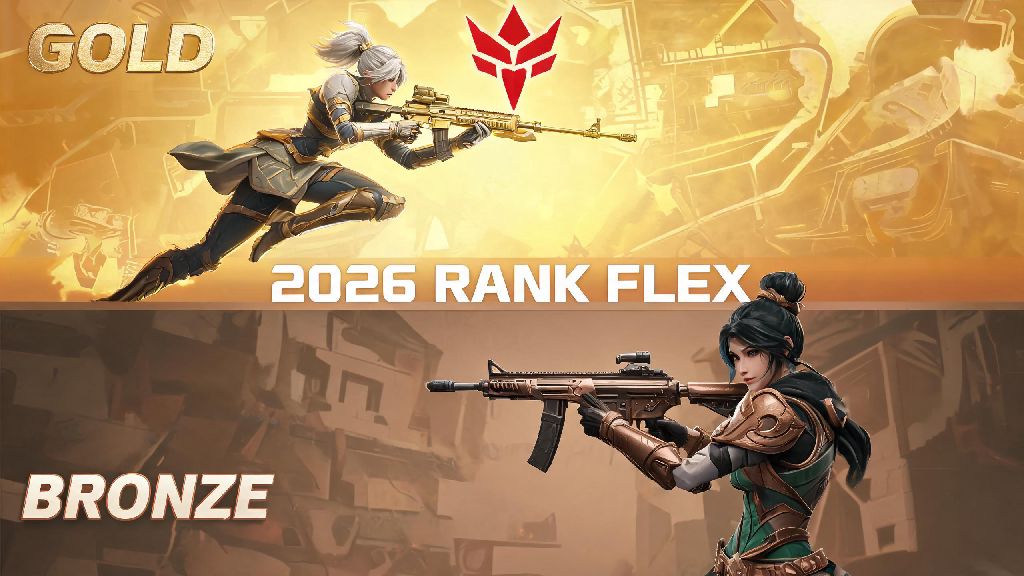
If you're a Gold player queueing with friends stuck in Bronze in 2026, you've probably asked can gold play with bronze Valorant at least once before hitting that party invite button. Riot has shifted a lot of ranked restrictions over the years, so rules that applied two years back don't hold up now, and it's easy to get confused when you see conflicting info online. We’ve tested queue combinations across all ranks over the past three months of 2026 to break down exactly what’s allowed, what works, and what you should avoid if you don’t want to ruin the match for everyone in your lobby.
Official 2026 Valorant Ranked Rules for Gold and Bronze Queueing
Riot adjusted its rank gap restrictions for all non-Immortal ranks in the 8.01 patch at the start of 2026, so the rules are far more flexible than they were in previous years. For unrated, Swiftplay, Spike Rush, and custom game modes, there are zero rank restrictions, so Gold and Bronze players can queue together with no roadblocks at all. These casual modes are built for social play, so Riot doesn’t limit what ranks can group up for them.
For competitive ranked play, the 2026 rules allow parties with a maximum of two full rank tiers between the highest and lowest ranked player in the group. Two full rank tiers means Bronze to Gold falls exactly at the allowed limit, so most combinations are permitted for ranked queues. The only exception is Gold 3 players trying to queue with Bronze 1 players, as that gap crosses an extra division buffer Riot added to reduce smurfing impact on lower-ranked lobbies.
If you get a queue error when trying to group up, it’s almost never because of your visible ranks. It’s usually because one player has an uncalibrated rank, pending rank decay penalty, or hidden MMR that’s far outside the allowed gap for your visible ranks. You can fix this by playing a few unrated matches together to align your party MMR first, or sticking to casual modes if the error persists.
Reasons You May Want to Skip Letting Gold Play With Bronze Valorant
Just because you can queue together doesn’t mean it’s always a good idea, especially if you’re planning to play ranked. The biggest issue is MMR balancing: Riot’s matchmaker will average your party’s skill rating to find opponents, so you’ll almost always be placed against mid-Silver lobbies. That means the Bronze player is going up against opponents 1-2 ranks above their skill level, and the Gold player is facing opponents lower than their usual rank, which isn’t rewarding for either person.
Performance pressure on lower-ranked players is another common downside. I’ve seen so many Bronze players get flamed by their own Gold friends for missing shots or making utility mistakes that are totally normal for their rank, which sucks the fun out of playing with friends entirely. If you’re only queuing to grind ranks, mixed Gold and Bronze lobbies will almost always slow down your climb, since you’re carrying lower-skilled teammates against opponents that aren’t challenging enough for you.
Common pitfalls of mixed Gold-Bronze ranked queues include:
I made this mistake myself earlier this year, when I queued ranked with my little cousin who’s Bronze 2 while I was Gold 1. He spent the whole match getting one-shot by Silver smurfs and I got bored carrying every round, so we switched to Swiftplay after one game and had way more fun. Save yourself the frustration and skip ranked queues for cross-rank groups unless everyone is explicitly on the same page about goals.
Benefits of Cross-Rank Play Between Gold and Bronze Players
It’s not all bad, though, and cross-rank play can be really rewarding if you go into it with the right expectations. The most obvious benefit is that you get to play with your friends, even if you’re at different skill levels. A lot of players treat Valorant as a social game first, and if that’s you, rank restrictions are just a minor hurdle, not a hard stop.
It’s also an extremely effective coaching opportunity for lower-ranked players. If you’re a Gold player who’s good at explaining mechanics, callouts, and agent utility use, playing with Bronze friends lets you teach them in real time, which will help them climb faster than if they were playing alone. We’ve seen Bronze players gain up to two divisions in a month after playing 2-3 times a week with a Gold friend who gives constructive feedback, not just criticism. Riot’s official 2026 ranked play guide even notes that casual cross-rank play is encouraged for players who want to learn from higher-ranked friends, as long as everyone in the party is on the same page about goals.
It’s also a great chance to test out off-meta agents or playstyles you wouldn’t risk using in your own ranked lobbies. If you’re a Gold Duelist main who’s always wanted to try playing Sentinel, queuing with Bronze friends in unrated lets you practice without throwing games for your usual team. You can mess around with weird utility combos, practice your flick shots on lower-pressure opponents, and have fun without worrying about rank loss.
2026 Tips for Smooth Gold and Bronze Valorant Play Sessions
Now that you know the rules and tradeoffs, these simple tips will help you make the most of your cross-rank play sessions. First, stick to casual modes first if you’re new to playing together. Unrated, Swiftplay, or custom lobbies are way lower pressure than ranked, and you can get a feel for how well you play together before jumping into competitive. If you do decide to play ranked, set clear goals before you queue: are you playing to help the Bronze player learn, or are you trying to win? If your only goal is to win, you’re better off queuing with players of your own rank.
Second, let the lower-ranked player pick their main agent and role. Don’t force them to play Sage just because you think she’s easy, or make them play support so you can frag all game. They’ll have more fun and perform better if they’re playing a character they’re comfortable with. If they ask for advice on which agent to pick, give them options instead of telling them what to do, so they still feel in control of their play experience.
Third, give constructive feedback instead of criticism. If they miss an easy shot, don’t yell at them — point out that they were aiming too high, or that they should have waited for your utility to go off first before peeking. Small, positive feedback goes a lot further than shaming someone for making a mistake. Celebrate their small wins too, like getting their first pick or placing a good smoke, to keep their morale up.
Fourth, take breaks if you start getting frustrated. It’s normal to get annoyed if you’re losing multiple games in a row, but taking 10 minutes to grab a snack or talk about something else will keep the mood light and prevent fights with your friends. I always set a 3-game limit for mixed rank sessions, so no one gets burnt out or starts taking losses too personally.
At the end of the day, the question of can gold play with bronze Valorant has a pretty simple answer: yes, as long as you follow Riot’s 2026 rules and go into your sessions with the right expectations. Rank doesn’t matter nearly as much as having fun with your friends, and if you’re willing to adjust your playstyle and be patient, cross-rank play can be some of the most fun you’ll have in Valorant this year. Just don’t forget to prioritize respect for everyone in your lobby, whether they’re your party members or the random players you’re matched against, and you’ll have a great time.