If you’ve just gotten access to a friend’s Valorant account, or are finally ready to dip your toes into Riot’s fast-paced 5v5 tactical shooter, the first question you’re probably asking is can I run Valorant without dropping frames mid-clutch. Riot designed the game to be accessible for most budget setups, but there are still hard limits you need to hit to avoid frustrating lag, input delay, or crashes that cost you ranked matches. Even if you meet the baseline specs, small tweaks can push your frame rate high enough to compete with even high-end setups.
Minimum Specs You Need to Run Valorant at 30 FPS
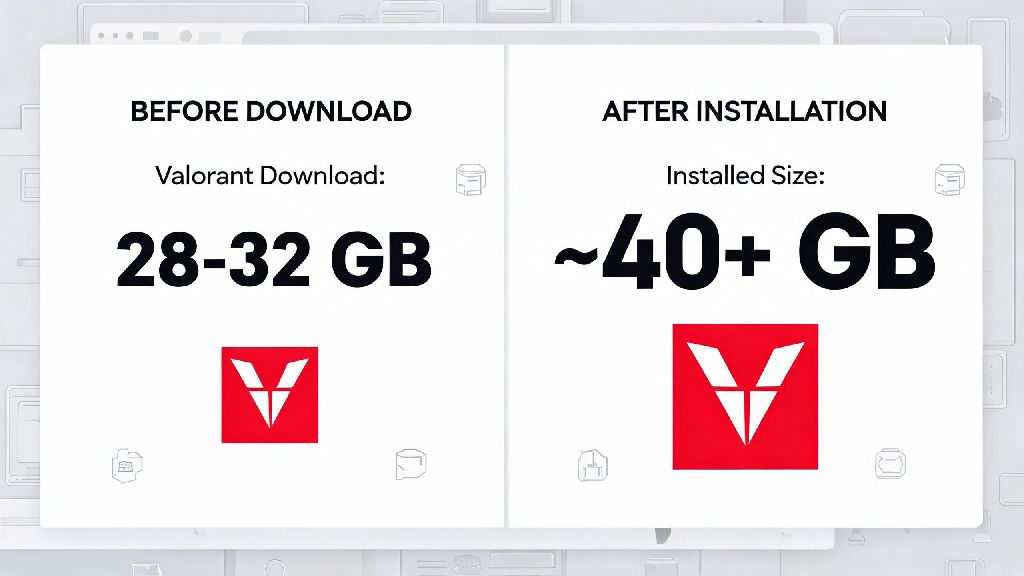
Riot’s official minimum specs are intentionally low to let as many players join as possible, and they haven’t changed drastically since the game launched in 2020. To hit 30 FPS on all low settings, you’ll need an Intel Core 2 Duo E8400 or equivalent AMD CPU, Intel HD 4000 integrated graphics, 4GB of RAM, 30GB of free storage, and a 64-bit copy of Windows 7 or later. 30 FPS is the absolute minimum you want for casual play, but you won’t be able to react fast enough for ranked matches at that frame rate, and you’ll see regular drops during crowded team fights when multiple abilities are used at once.
If you’re waiting for your game to install or testing if your setup can handle the load, you might want to pass the time with a quick casual game that doesn’t take up much system resources. Many players use low-demand casual titles to kill time while waiting for queue pops or game updates, and Jaiho Rummy is a popular pick for short, engaging rounds you can play even on the lowest-end PCs that struggle to run most 3D games. You won’t have to worry about it eating up RAM or CPU power that you need for Valorant, so it’s a solid way to fill short gaps of downtime.
How to Confirm You Can Run Valorant on Your Existing Setup
You don’t have to guess if your PC meets the requirements, there are simple, free ways to test compatibility before you commit to hours of download time. You don’t need to pay for any fancy tools, either, the steps below will give you a 100% accurate answer:
- Check your PC specs first: On Windows, go to Settings > System > About to see your CPU, RAM, and Windows version, then go to Display > Advanced display to find your GPU model.
- Compare your specs directly to Riot’s official published requirements, which are updated regularly after major patches to reflect new performance needs.
- Run a quick test install: Valorant only takes 30GB of storage, so you can download it, set all settings to low, and load a practice range match to see your average frame rate without jumping into competitive play.
Don’t rely on third-party system checker tools entirely, as many of them overestimate the required specs to push hardware sales. Riot’s official requirements are the only trusted source, since they optimize the game for low-end setups constantly. If you hit 60 FPS in the practice range with no lag, you’re good to go for casual unrated matches, but you may want to tweak settings more if you plan to climb ranked. If you’re serious about climbing ranked, you don’t want to be stuck wondering if you can run Valorant well enough to win close fights, so hitting the recommended specs is a low-cost investment that will pay off in more wins.
Recommended Specs for 144+ FPS Competitive Valorant Play
144 FPS is the standard for competitive Valorant play, as it eliminates motion blur when you’re turning quickly to track enemies, and cuts input delay by almost 50% compared to 60 FPS. To hit a consistent 144 FPS on medium settings, you’ll need an Intel i3-4150 or AMD Ryzen 3 1200 CPU, Nvidia GTX 1050 Ti or AMD Radeon R7 370 GPU, 8GB of RAM, and 30GB of free space on an SSD. Using an SSD instead of a hard drive will cut your map load times in half, so you never get stuck loading in late and miss the first buy phase of the match.
You don’t need to spend thousands to hit these specs, either. A pre-built PC that meets these requirements costs around $450 as of latest market data, and you can upgrade an older existing PC for less than $150 if you already have a compatible motherboard. If you want to hit 240 FPS for pro-level play, you’ll need a slightly faster CPU like an Intel i5-9400F or Ryzen 5 3600, and a GPU like the GTX 1660 Super or RX 5600 XT, but that upgrade is only necessary if you play on a 240Hz monitor.
Easy Tweaks to Boost Valorant Performance on Low-End PCs
Even if you only meet the minimum specs, you can push your frame rate up to 60+ FPS with a few simple changes that take less than 10 minutes to apply. First, adjust your in-game settings: turn all graphical settings to low, disable anti-aliasing, turn off VSync, and set your frame rate limit to 2 FPS above your monitor’s refresh rate to avoid unnecessary input delay. These small tweaks take less than 10 minutes to apply, and can make the difference between being able to run Valorant smoothly and dropping frames every time you take a gunfight.
Next, close all background apps before you launch the game, including browsers, streaming services, and any other open programs that take up RAM or CPU power. Disable Windows Game Mode if you’re experiencing random frame drops, as many users report it causes more performance issues than it fixes for Valorant, since it prioritizes system resources incorrectly for Riot’s anti-cheat software. Never download third-party performance boosters for Valorant, as most of them contain malware or trigger Riot’s anti-cheat system, leading to a permanent account ban. You should also update your GPU drivers every few months, as Riot works with Nvidia and AMD to release driver updates that boost Valorant performance by 10-15% after major patches.
At the end of the day, Valorant is one of the most accessible competitive shooters on the market, so most people asking can I run Valorant will find the answer is yes, even if they need to adjust a few settings first. You don’t need a $2000 gaming PC to climb to Immortal or even Radiant ranks, as long as you have a stable frame rate and low input delay. Test your setup first, make small tweaks as needed, and you’ll be ready to queue up for your first match in no time.