If you’ve ever hopped into a Valorant competitive match and heard a teammate yell “CT push!” over voice chat with zero context, you’ve probably wondered what does ct mean in Valorant, and why everyone is panicking so hard about that one spot. Most new players pick up common callouts like “A site” or “mid” pretty quickly, but terms borrowed from older tactical shooters can leave even casual ranked players confused. Getting familiar with these core callouts isn’t just about fitting in with your team—it directly impacts your win rate, because miscommunicating a spot can cost you a round, or even an entire match. I’ve been playing Valorant since its closed beta, and I’ve seen dozens of winnable rounds thrown away just because one player didn’t know what CT referred to, so I put this guide together to clear up all the confusion.
What Does CT Mean in Valorant, Exactly?
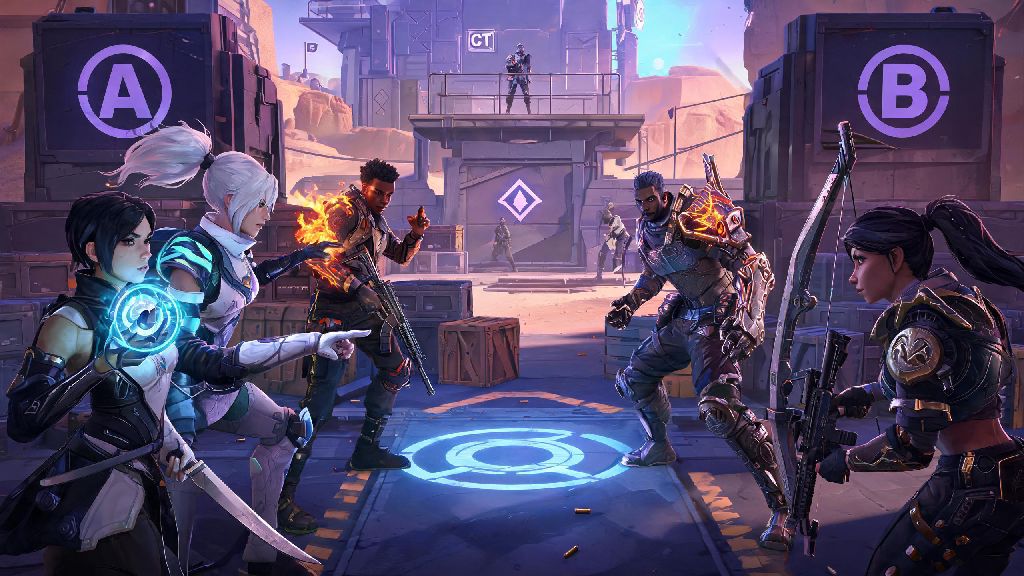
First, let’s clear up the origin first, because CT isn’t a term Riot Games invented for Valorant. It’s borrowed directly from the Counter-Strike franchise, where teams are split into Counter-Terrorists (CTs) and Terrorists. In Valorant, the term stuck around as long-time players moved over from CS:GO, and it’s used almost universally to refer to the defending side of any given map. It also refers to the “CT spawn” area, which is the starting spot for the defending team each half.
You’ll also hear players use CT to refer to the entry path leading from defending spawn to a site—for example, on Bind, the path leading from defender spawn to A site is almost always called CT A. A lot of new players mix up CT with T (the attacking side) at first, but there’s an easy way to remember it: if your team is protecting sites from being planted, you’re on CT side. If you’re the team trying to plant the spike, you’re on T side, and the enemy holds CT spawn.
How CT Callouts Are Used in Live Competitive Matches
Knowing the definition of CT only gets you so far—you need to know how players actually use the term in real matches to make quick decisions. For example, if you’re defending A site on Haven and a teammate watching mid says “one CT pushing mid”, that means an attacker is pushing through the defender spawn side of mid, trying to flank your site. I’ve had rounds where a teammate called “CT flanker” 3 seconds before an enemy Jett snuck up behind our entire site hold, and that 2 second warning let us turn around and take them out before they could get a single pick.
There are a few common CT callouts you’ll hear in almost every match, regardless of map:
It’s important to note that CT callouts only apply to the first half of the match if you’re on defense, right? Once the sides swap at halftime, the CT side switches too. So if you were defending first half, you’re the attacking team second half, and the enemy is now on CT side. A lot of new players make the mistake of still calling their own spawn CT after the swap, which confuses the whole team. Always adjust your callouts as soon as the half ends to avoid that mistake.
Common Mistakes Players Make With CT Callouts (And How to Fix Them)
Even players who know what CT means often use the term incorrectly, leading to miscommunication that loses rounds. The most common mistake I see is overly vague CT callouts that don’t give enough context. If you just say “enemy at CT” without specifying which site’s CT entrance you’re talking about, your teammates won’t know where to look. For example, on Ascent, there’s a CT entrance for A site and a separate one for B site, so calling “CT push” without adding A or B is almost useless.
Another common mistake is using CT when you’re referring to the attacking side. I once had a Gold ranked teammate who kept calling his own spawn CT when we were on attack, and we ended up rotating to B site for no reason because we thought the enemy was flanking us from CT. If you’re ever unsure what a teammate means when they reference CT, don’t be afraid to ask mid-round—most players would rather pause for half a second to explain than lose the round.
The fix for most of these mistakes is simple: add 1 to 2 extra words of context with every CT callout. Instead of “CT push”, say “CT A push, one player”. Instead of “flank from CT”, say “flank from B CT, Omen”. That tiny bit of extra info gives your team everything they need to react correctly, without wasting time asking follow-up questions.
Tips to Improve Your CT Callouts and Team Communication
Getting CT callouts right is one of the easiest ways to climb ranked faster, because it makes your entire team more coordinated. First, make sure you only use standard map callouts that everyone on your team will recognize. Don’t make up your own nicknames for CT areas, because no one else will know what you’re talking about. If you’re new to a map, spend 10 minutes in a custom game walking around the CT side of each site to memorize the common callouts before you hop into ranked.
Second, keep your CT callouts short and to the point. You don’t have 10 seconds to explain exactly where an enemy is—just say “two CT A, no spike” and your team will have all the info they need. Avoid adding extra details that don’t matter, like what skin the enemy is using, unless it’s directly relevant to the play.
Third, don’t spam CT callouts if you’re not 100% sure the enemy is there. If you hear a footstep near CT A but don’t see the enemy, say “possible CT A push” instead of confirming there are enemies there, so your team doesn’t overrotate for no reason. I’ve climbed from Bronze to Immortal over the past three years, and I can honestly say that better callouts, including correct CT references, accounted for at least 30% of my rank gains. Most players focus only on their aim and agent ability usage, but communication is the secret to climbing faster than 90% of the player base.
At the end of the day, learning what does ct mean in Valorant is one of the first small steps you can take to become a better team player and win more matches. You don’t have to memorize every single callout on every map overnight, but getting familiar with core terms like CT will make every match feel less chaotic, and help you connect better with your teammates even if you’re playing with randoms. Next time you hear a teammate yell a CT callout, you’ll know exactly what they’re talking about, and you can react faster to win the round. Don’t be afraid to ask your team to clarify a callout if you’re confused—most players are happy to explain, and it’s way better than making a mistake that costs the round.