If you’re a regular Valorant player, you’ve definitely found yourself scrolling through social media after seeing a leak for a new agent or map, wondering when is Valorant update actually going to drop. I’ve lost count of how many times I’ve stayed up late waiting for a new act launch, only to realize the patch didn’t go live until the next morning for my SEA region. Riot Games has a fairly consistent release rhythm for patches, but there are plenty of exceptions that can throw off your plans if you don’t know what to look for. This guide breaks down everything you need to know to never miss a drop, plus what to expect from each type of update before it lands.
Standard Valorant Update Release Cadence for Major vs Minor Patches
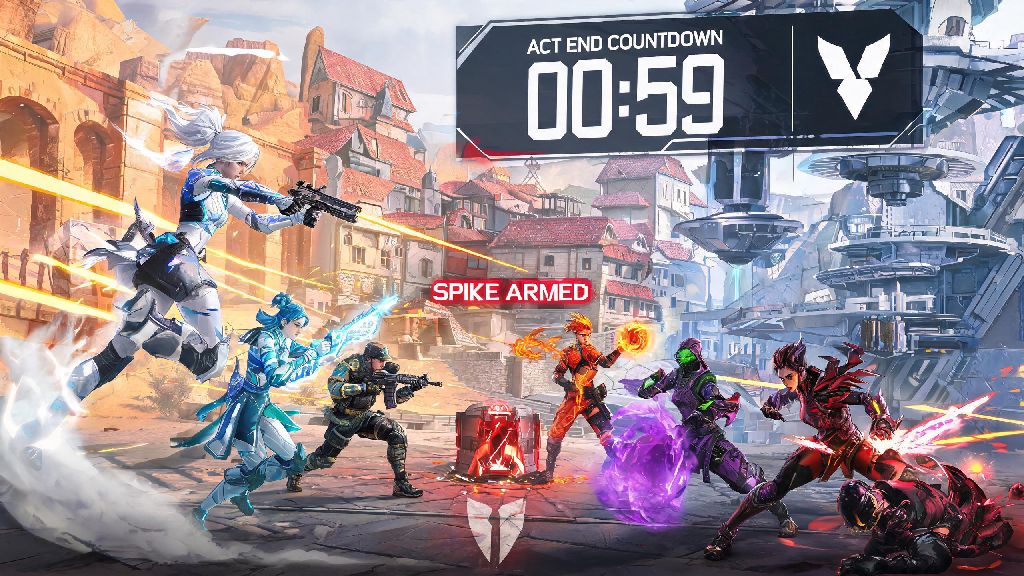
Riot splits Valorant updates into two clear categories: major act/episode patches and minor patches, each with their own set schedules. Major patches mark the start of a new act or episode, and they drop roughly every 8 weeks, with two acts making up one full episode. Major episode and act updates always land on a Tuesday for most global regions, barring any last-minute issues that cause delays. Maintenance for these big updates usually starts 2 hours before the patch goes live, so servers are offline for that window while Riot rolls out the new content.
Minor patches, on the other hand, are smaller updates that drop roughly every 2 weeks between major act launches. These almost always land on Thursdays, and they’re designed to fix bugs, tweak agent balance, roll out anti-cheat updates, or make small quality of life changes. You won’t see new agents, maps, or battle pass content in these minor drops, so don’t get your hopes up for a big content drop if it’s only been a few weeks since the last act launch.
How to Figure Out Exactly When is Valorant Update Dropping for Your Region
Even with the standard Tuesday/Thursday schedule, time zone differences can make it hard to pin down the exact drop time for where you live. The easiest way to get a confirmed time is to check your Valorant launcher when you log in. You'll get a pop-up alert in your Valorant launcher 24 hours ahead of any scheduled update, with the exact start and end time for maintenance in your local time zone. You don’t have to do any math or time zone conversions yourself, the client does all the work for you.
If you want to plan ahead even further, there are a few easy signs you can look for that signal an update is coming soon, even before the client alert pops up:
- A maintenance alert popping up in your game client when you log in
- Official Riot social media posts teasing new agents, maps or balance changes 1-2 weeks before release
- Trusted data miners posting confirmed patch content 2-3 days before the scheduled drop
- Competitive queue disabled 1 hour before maintenance starts for all major updates
It’s important to note that leaks and data miner posts aren’t always 100% accurate, especially when it comes to exact release times. Riot sometimes pushes patches back by a day if they find a critical bug at the last minute, so always wait for the official client alert or Riot social post to confirm the exact time before you clear your schedule to play the new update.
What Changes You Can Expect From Different Types of Valorant Updates
Not all updates are created equal, and knowing what you’re getting before the patch drops can help you plan your play time accordingly. Major act and episode updates are the big ones you want to watch for. These include new playable agents, new maps, full battle pass rewards, new limited-time skin lines, and major overhauls to the competitive ranking system if Riot is making big changes to how ranked play works. They also usually include large balance changes that shake up the current meta, so you might have to adjust how you play your main agents after these drops.
Minor patches are far less exciting, but just as important for keeping the game running smoothly. Minor patches almost never include new content, only fixes and small balance adjustments for overperforming or underperforming agents. For example, if Jett’s updraft is letting her get to spots she’s not supposed to reach on a map, that fix will come in a minor patch instead of waiting for the next major act launch. These patches also include regular anti-cheat updates that catch new hacks and exploits that are popping up in the community.
There’s also the rare emergency patch, which can drop at any time with no prior warning. Emergency patches are the only exception to the regular Tuesday/Thursday release schedule, and they only come out if there’s a game-breaking bug or exploit that ruins the play experience for most players. For example, if there’s a glitch that lets players see through walls or instantly kill enemies across the map, Riot will roll out an emergency patch within hours to fix the issue, even if it’s a weekend.
Common Mistakes to Avoid When Waiting for a Valorant Update
Even if you know the schedule, there are a few common mistakes that can ruin your play time around patch day. The first one that most players make is trying to log in right as maintenance ends. Servers are always overloaded for the first 30 minutes after a big patch drops, so you’ll end up sitting in a 20-minute queue just to get into the client. If you don’t want to wait, just hold off for an hour after the scheduled launch time to log in, and you’ll get in right away with no queue.
Another big mistake is starting a competitive match right before maintenance is scheduled to start. Never start a competitive match 30 minutes before a scheduled update time, because servers might go down mid match. You’ll get an automatic loss for that match, and you might even get a temporary competitive ban for leaving, even though it wasn’t your fault. Riot disables competitive queue an hour before maintenance for a reason, but if you don’t check the alert, you might not notice it’s turned off.
You also shouldn’t trust random leak accounts for exact release times or patch content. A lot of smaller leak accounts make up content to get views, so you might end up waiting for a buff to your main agent that never actually comes. Always check official Riot sources first for confirmed patch notes and release times. The last mistake is forgetting to turn on auto-updates for your client. If you have auto-updates off, you’ll have to wait for the patch to download when you launch the game, which can take 30 minutes or more depending on your internet speed.
At the end of the day, figuring out when is Valorant update dropping doesn’t have to be a guessing game. If you follow the standard schedule, check your client for alerts, and keep an eye on official Riot announcements, you’ll never miss a new drop again. You’ll also know exactly what to expect from each type of patch, so you can plan your play time around big content drops, and avoid the common mistakes that lead to lost ranked matches or long queue times. Next time you see a leak for a new agent or map, you’ll know exactly when you can jump in and try it out for yourself.