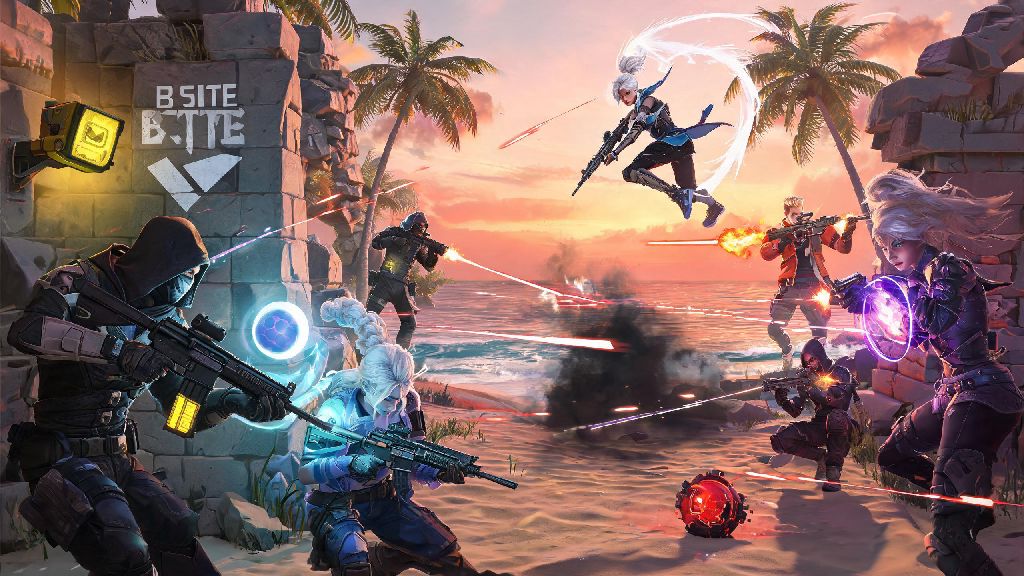
If you’ve ever squeezed in a game between work meetings, class breaks, or before a planned hangout, you’ve probably asked how long are Valorant games. Match length varies a lot depending on the mode you pick, how evenly matched your team is, and even whether you run into technical pauses or remake votes. Knowing average durations helps you plan your play time so you don’t have to abandon a match halfway through and risk a penalty, or waste time waiting for a game that won’t fit your free window. I’ve queued for competitive before a dinner reservation more times than I can count, and learning to estimate match length saved me from multiple rank drops and angry text messages from friends waiting for me to show up.
How Long Are Valorant Games Across Every Play Mode?
Each Valorant mode is built for different time commitments, from 5-minute casual warm-ups to hour-long high-stakes competitive grinds. The base length is set by round counts and timer rules, but actual play time can shift based on how rounds play out. Below are the average durations for the most popular modes, based on millions of public match logs from ranked and casual play:
Premier competitive matches can run even longer, with some tournament games going over 75 minutes if overtime stretches to multiple rounds. For regular play though, the numbers above are a reliable baseline to work with.
Key Factors That Extend or Shorten Valorant Matches
The averages above are just a starting point, and plenty of variables can make a match run way shorter or longer than expected. A huge skill gap between teams can make a competitive match wrap up in 20 minutes if one team wins 13 rounds in a row, while a closely matched game can stretch to 60 minutes or more if it goes deep into overtime. Remake votes can end a match in less than 2 minutes if a player disconnects before the end of the first round, so you never have to play a 4v5 if you don’t want to.
If you only have 10 minutes free, you don’t want to queue for competitive and get stuck in a 50 minute slog, or end up abandoning the match and getting a rank penalty. Many players keep quick, low-stakes casual games in their back pocket for short gaps that are too small for a full Valorant match, so they don’t waste time waiting in queues only to have to leave early. Fans of quick, turn-based casual play often enjoy Love Rummy during these 5 to 10 minute gaps, as it fits neatly into small windows without requiring the full focus you need for a Valorant round.
Other common factors that change match length include surrender votes, which can end a match as early as the 8th round if 4 out of 5 players agree, and technical pauses for disconnected players or game bugs. Overtime rules are another big one: if teams are tied 12-12, play continues until one team gets a 2-round lead, which can add 10 to 20 minutes to the total run time.
How to Plan Your Play Sessions Around Valorant Match Lengths
The last thing you want is to get a 30-minute rank penalty for leaving a competitive match because you forgot you had a call in 20 minutes. A little bit of planning goes a long way to avoiding that frustration, and it starts with being honest about how much time you actually have available before you queue up. If you have less than 20 minutes free, stick to casual modes like deathmatch or spike rush, even if you’re craving a competitive game. Rank penalties for leaving can stack up, and repeated early exits can lead to a temporary ban from competitive play, so it’s never worth the risk.
When you do queue for competitive or unrated, add a 10-minute buffer to your expected time frame to account for overtime, pauses, or longer queue times. If you have exactly 45 minutes free before you need to leave, plan for a 55-minute match just in case, and if you can’t spare the extra time, pick a shorter mode instead. You can also check pre-match queue estimates in the client to see how long you’ll wait for a game, so you don’t burn 10 minutes of your 20-minute break waiting for a match to pop.
If you’re playing with a group, make sure everyone is on the same page about how much time you have. I’ve had friends queue for competitive without telling us they had to leave in 30 minutes, and it left the whole team stuck playing 4v5 and losing rank because we couldn’t surrender early enough. A quick check-in before you queue avoids that mess entirely.
Common Myths About Valorant Game Duration Debunked
There are a lot of wrong beliefs floating around about how long Valorant matches last, and most of them lead to bad play decisions. One of the most common myths is that all competitive matches last 40 minutes, so people queue for ranked when they only have 40 minutes free and end up stuck in overtime when they need to leave. The 40-minute average is just a middle point, and 20% of competitive matches run over 50 minutes, so you always need that extra buffer.
Another common myth is that you can’t leave a match early without a penalty, no matter what. That’s not true: if a player on your team is AFK for more than 2 full rounds, you can submit an early surrender vote that doesn’t count as a loss or give you a leave penalty, as long as the majority of the team agrees. AFK forgiveness rules also apply if the game crashes for multiple players, so you don’t have to suffer through a 4v5 for 40 minutes if you don’t want to.
The last myth I see all the time is that swiftplay and spike rush always end in 10 minutes. While they are designed to be short, closely matched games can run up to 15 minutes, so don’t queue for them if you only have 8 minutes free before you need to log off. Stick to deathmatch for super short windows, as those end as soon as the score cap is hit, with no extra round delays.
At the end of the day, knowing how long are Valorant games helps you make the most of your free time, avoid frustrating penalties, and pick the right mode for whatever window you have. Whether you’re squeezing in a quick spike rush during your lunch break or settling in for a full competitive grind with friends, adjusting your queue choices to match your available time will make your play experience far more enjoyable. Don’t forget to account for extra time for possible overtime or pauses, and you’ll never get stuck having to leave a match halfway through again.