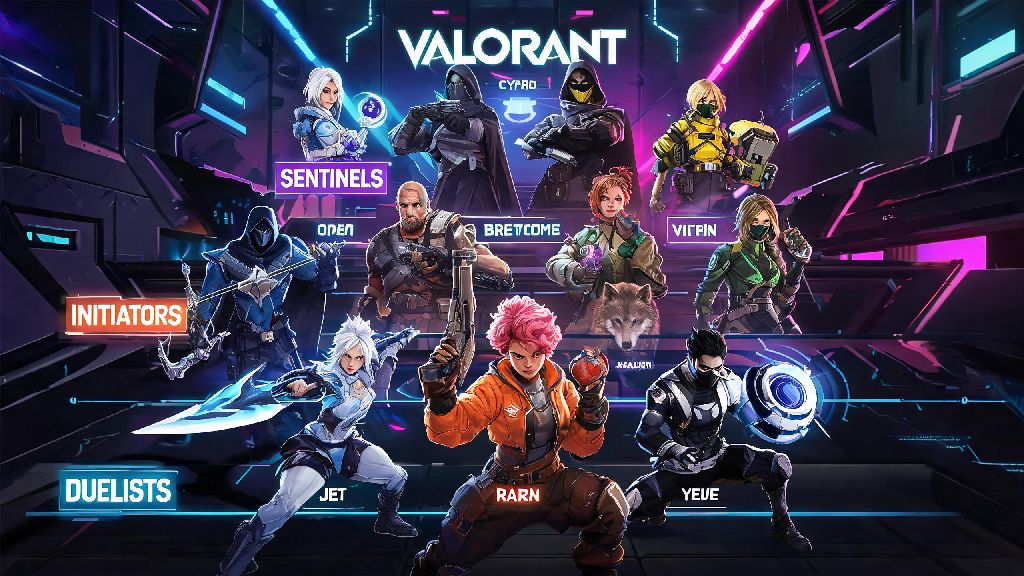
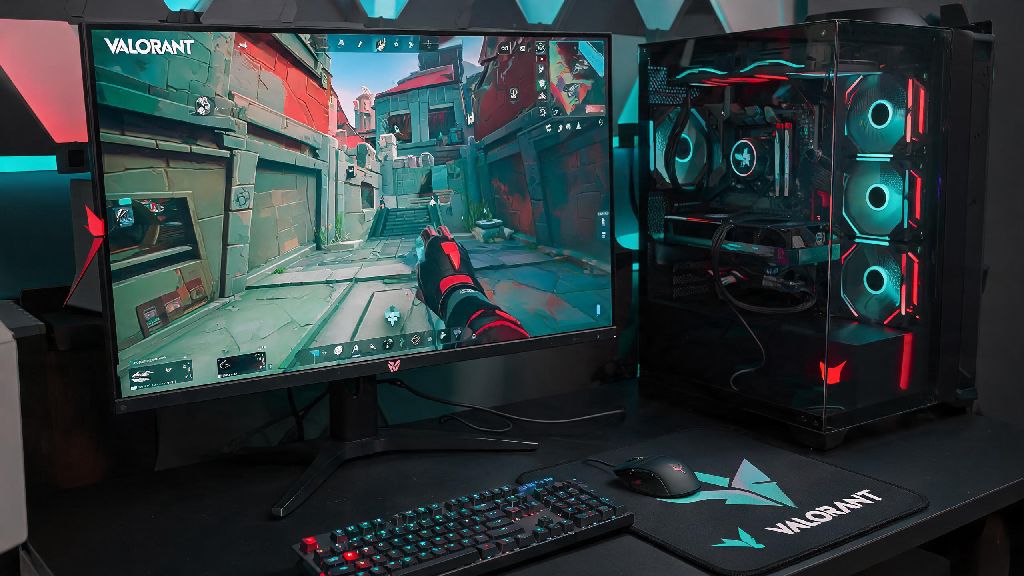
If you’ve ever queued for a Valorant match and groaned when you saw Bind pop up, or celebrated when you got your go-to map Haven, you’ve probably wondered at some point how many maps are in Valorant total. Riot regularly rotates maps in and out of the competitive pool to keep meta fresh, add new content, and give players time to master new layouts before they hit ranked play. As a long-time Valorant player who’s climbed from Iron to Immortal over 4 years, I’ve seen dozens of map changes, reworks, and additions that completely shifted how the game plays. This guide breaks down every current playable map, removed maps, rotation rules, and tips to master every layout you’ll face in casual and ranked queues.
How Many Maps Are in Valorant Right Now? Full Current Roster
As of the latest act, there are 10 total playable standard spike plant/defuse maps across all game modes, with 7 in the active competitive rotation. Riot draws a clear line between standard maps that can be used for ranked play, and mode-exclusive maps that only appear in Team Deathmatch, Swiftplay, or limited-time events. Most casual and ranked players only care about the standard roster, which includes the following maps:
- Bind: The original two-site map with no mid area, featuring teleporters that connect A and B side flanks for surprise rotates
- Haven: The only standard three-site map, which rewards fast site takes and flexible defensive setups that can shift between sites in seconds
- Ascent: The widely-loved two-site map with open mid and destructible metal doors that let teams lock or open access points mid-round
- Lotus: The three-site Indian-inspired map with rotating doors and tight, winding corridors that favor close-quarters combat and aggressive play
- Sunset: The latest two-site map set in Los Angeles, with narrow alleyways and a mid area that’s a constant focal point for early-round fights
- Fracture: The split-layout two-site map where defenders spawn in the middle, letting them push either site quickly at round start to catch attackers off guard
- Pearl: The underwater-themed two-site map with no special mechanics like teleporters or doors, focusing purely on raw aim and positioning
- Icebox: The snowy two-site map with vertical ziplines and high ground positions that reward controller and sentinel play to hold tight angles
- Breeze: The wide-open tropical two-site map with long sightlines that favor duelists and sniper users who can pick off enemies from far away
- Split: The tight two-site map with a central mid that’s often the deciding factor for which team takes control of the round and pushes sites
Right now, Icebox, Breeze, and Split are only available in casual, spike rush, and custom game modes, not ranked. Riot removes one map from the competitive pool every time a new one launches, to keep queue times reasonable and prevent players from having to memorize too many layouts at once. If you’re new to ranked play, you might be surprised that the answer to how many maps are in Valorant for ranked is lower than the total playable count.
How Valorant’s Map Rotation Works for Ranked Play
Riot’s official map rotation policy is designed to keep the ranked meta fresh without overwhelming players. New maps always launch in casual modes first, so the entire player base has time to learn layouts and callouts without risking their rank. You won’t see a new map in your competitive queue for at least 8 weeks after its official launch, which is a rule Riot put in place after players complained about being blindsided by Fracture when it first dropped in 2021.
Maps are usually removed from the competitive pool for 1-2 years before they get a small rework and are added back. For example, Split was removed in 2022, got a rework to its mid area to make it more balanced for attackers, and was added back to casual modes in 2023, with plans to rejoin the competitive pool in a future act. So, if you have a map you hate, don’t worry, it’ll be out of the rotation before you know it. But if it’s your favorite, you might have to wait a while to play it in ranked again.
Riot also makes small tweaks to maps every act to fix unbalanced angles or underused areas. These tweaks are usually minor, but they can completely shift the meta for a map. For example, a small change to a smoke lineup on Ascent a few acts ago made Omen a far more popular pick for the map than he had been in years.
Limited-Time & Mode-Exclusive Valorant Maps
When most people ask how many maps are in Valorant, they’re only asking about standard spike maps, but there are far more maps available for other game modes. There are currently 4 exclusive Team Deathmatch maps that are only available for that mode, plus a handful of limited-time event maps that are no longer accessible to players.
These limited event maps include the winter-themed Bind variant for the 2023 holiday event, which had snow-covered ground and festive decorations, and the cobblestone-themed map used for the 2022 Valorant Champions tournament custom game mode. These limited event maps are almost never re-released, so if you got to play them, you’ve got a rare piece of Valorant history under your belt.
Riot doesn’t count TDM or event maps in the official standard map roster, which is why you’ll usually see the total count listed as 10 instead of 14 or higher. If you’re only playing ranked or standard unrated, you’ll never run into the TDM maps unless you specifically queue for that mode. Some TDM maps are designed as smaller sections of existing standard maps, so you might recognize parts of them if you’ve played the full standard layout.
Pro Tips to Master Any Valorant Map Fast
The biggest mistake new players make is ignoring map knowledge to focus only on aim. You can have the best aim in your rank, but if you don’t know common angles or callouts, you’ll get caught off guard every round. I’ve helped dozens of my lower-ranked friends climb 2-3 ranks just by drilling map knowledge for 30 minutes a day, so these tips work no matter what rank you’re in.
First, play 5-10 casual matches on a new map before you even think about playing it in ranked. Use these matches to explore every corner, learn common defender positions, and figure out the fastest paths to each site. Don’t worry about winning these matches – focus entirely on learning the layout.
Second, memorize at least the basic callouts for every site before you queue with other people. You don’t need to know every niche angle name, but being able to say “enemy at A main” instead of “enemy over there” will make your team way more coordinated. Most maps have standard callouts that are used by almost every player, so you can find quick reference guides online if you’re stuck.
Third, use custom games to practice lineups for your main agent. If you main a controller like Omen or Brimstone, learning 2-3 default smoke lineups per site will make you way more valuable to your team than someone who just smokes random spots. You don’t need to learn 20 lineups per map to be effective – just the 3 most common ones will cover 90% of your matches.
Don’t stress if you don’t know every part of a map right away. Even pro players still find new angles on maps that have been out for years, so it’s okay to learn as you go. If you get caught out by an angle you didn’t know existed, make a mental note of it so you don’t make the same mistake twice.
At the end of the day, how many maps are in Valorant depends on what modes you play, but the core roster of standard spike maps sits at 10, with 7 in the active competitive rotation at any given time. Riot adds a new map roughly every 6 months, so the count will keep growing as the game evolves. Don’t feel like you have to master every map at once – focus on 2-3 go-to maps first, then expand your knowledge as you get more comfortable. If you take 10 minutes to learn the basics of a map before you queue, you’ll notice a huge difference in your win rate and how much fun you have playing.