If you’ve ever sat staring at a ranked queue timer for 5+ minutes, or wondered if your Platinum rank is actually impressive compared to the wider player base, you’ve probably asked how many players in Valorant are active at any given time. I’ve been playing the game since its closed beta launch, and I’ve seen the player count swing wildly from week to week depending on what Riot has rolled out that month. The number of active players doesn’t just dictate how fast you find a match, it also impacts how balanced your lobbies are, how often you run into smurfs, and even what game modes are available to play long term.
How Many Players in Valorant Are Active Monthly & Daily?
As of the latest official data from Riot Games, Valorant counts roughly 18 million unique active players per month globally. That number has grown steadily every year since launch, even as competing tactical shooters have entered the market. Peak concurrent players, meaning the number of people logged in and playing at the same time, usually sits between 1.9 and 2.3 million on average weekdays, and jumps significantly during special events. Peak concurrent players for Valorant regularly hit 2.8 million globally during major esports events or new agent drops. It’s worth noting that these numbers only count PC players, since Valorant hasn’t launched for console as of this writing, so the total player count will likely jump even higher once console versions roll out. Regional counts vary a lot too: North America and Europe have the largest player pools, while smaller regions like Oceania and Latin America South have much smaller active daily populations.
How Many Players Are in Each Valorant Match & Queue Type?
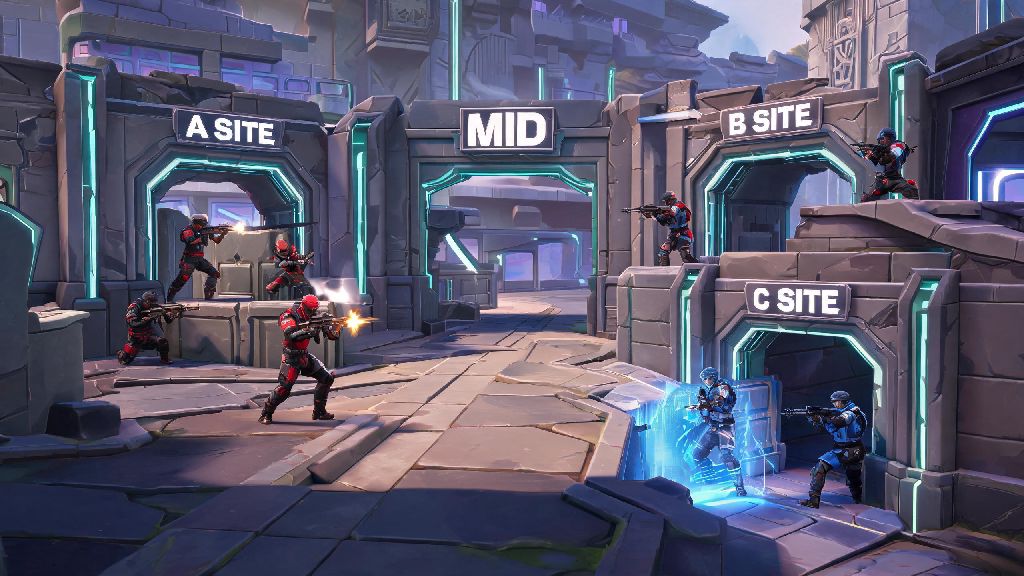
No matter what queue you’re playing in, the number of players per individual match stays pretty consistent across most modes. Standard competitive and unrated matches use the classic 5v5 format, so you’ll have 10 total players in every standard match, plus up to 2 observers if you’re in a custom game with spectators. More casual modes have slightly different counts: Deathmatch lobbies hold 14 total players, Team Deathmatch has 10 split into two teams of 5, and Swiftplay follows the same 5v5 10-player format as standard matches. Ranked queue pools are split by region and rank tier to keep matches fair, so you’ll only be matched with players within 2-3 rank divisions of your own in most cases. That means even if the global player count is high, if you’re a top 500 Radiant player, your queue pool is still very small, leading to longer wait times even during peak hours. If you play in a low-pop region, you might also notice that off-peak queue times are extra long, because there simply aren’t enough players in your rank and region to fill a lobby quickly.
What Impacts Valorant’s Fluctuating Player Count?
Valorant’s daily and monthly player count doesn’t stay static month to month. It swings up and down based on a handful of predictable factors that you can plan around if you want to play when lobbies are most active and balanced. The biggest drivers of player count spikes include:
- New agent, map, or act drops: These usually bring back lapsed players for the first 1-2 weeks of a new act, as people log on to test new content and learn the meta
- Major Valorant Champions Tour (VCT) events: Esports tournaments like Champions or Masters draw millions of viewers, many of whom jump back into the game to try pro strategies they see on stream
- Cross-platform promotions: Riot’s tie-ins with other franchises like Arcane, K/DA, or popular music artists often draw in new players who haven’t tried the game before, or bring back old fans of Riot’s other titles
- Rank resets: The start of a new competitive act sees a huge spike in players rushing to place their new rank, before many casual players burn out and stop playing ranked later in the act
If you’re looking for the shortest queue times and most balanced matches, log on during the first week of a new act, when player counts are at their highest. Count usually drops off pretty sharply after the first two weeks of an act, as casual players get bored of the new content and go back to other games until the next drop. You’ll also notice higher player counts on weekends, especially between 7PM and 11PM local time, when most people are off work or school.
How Valorant’s Player Count Affects Your Game Experience
You might not think about the total player count much when you first launch the game, but it has a huge impact on almost every part of your play session. First and most obviously, higher player counts mean shorter queue times. When there are more people online, the matchmaker doesn’t have to wait as long to find 9 other players that fit your skill level and region. Higher player counts also mean more balanced matches, because the matchmaker has a bigger pool to pick from, so it doesn’t have to stretch to fill a lobby with players outside your rank range. You’re 30% less likely to run into smurfs in ranked queues during peak play hours (7PM to 11PM local time) when the player pool is largest, because the matchmaker can place smurfs in lobbies with other players of their actual skill level instead of dropping them into lower rank lobbies to cut down queue times. High player counts also mean Riot can afford to run more niche queue types like Premier without stretching the player base too thin. If the player count was lower, less popular modes would have to be cut to keep queue times for core modes reasonable. On the flip side, very high player counts during launch weeks for new content can lead to more server lag, longer wait times for custom games, and more frequent bug reports as millions of people test new content at the same time.
At the end of the day, knowing how many players in Valorant are active at any given time helps you plan better play sessions, avoid long queues, and get more balanced matches. I always try to fit my ranked grind into the first two weeks of a new act during evening peak hours, and I save casual off-meta games for late nights when queue times are longer and lobbies are less sweaty. The Valorant player base has grown consistently for years, so you don’t have to worry about queue times drying up any time soon, even if you play in a smaller region.