Valorant’s mix of tactical shooting, unique agent utility and fast-paced team play makes it one of the most rewarding competitive games out right now, but it can also feel overwhelming for new players, and even seasoned players often hit stubborn rank walls that feel impossible to break through. If you’ve been stuck in the same rank for months or just want to stop feeling like dead weight for your team, figuring out how to get good at Valorant doesn’t require natural talent or 12-hour grind sessions. It just takes targeted practice, smart habit building, and a willingness to learn from every match you play.
How to Get Good at Valorant by Building Consistent Aim Habits
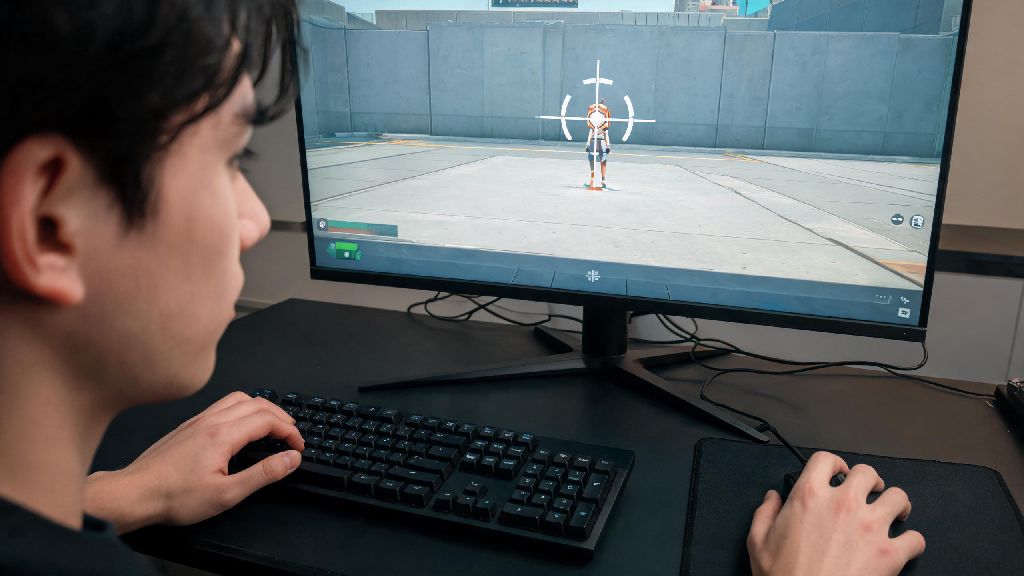
Aim is the foundation of every good Valorant player, and even the best utility usage in the world won’t help you if you can’t land a shot on an exposed enemy. The mistake most new players make is focusing only on flashy flick shots in aim trainers, but real in-game aim relies on a mix of skills that you can build with intentional, short practice sessions every day. You don’t need to spend hours in aim trainers to see improvement, even 10 minutes of focused practice a day will lead to noticeable gains in a few weeks.
There are three core aim habits you should build first to see fast progress:
It’s also important to practice your aim in real in-game scenarios, not just aim trainers. Deathmatch is perfect for this, because it lets you practice peeking angles and fighting moving targets without the pressure of losing rank if you mess up. Try to play one deathmatch game before every ranked queue to get your eye in before you play for real.
Master Agent Specialization and Map Knowledge to Cut Down Learning Curves
One of the biggest mistakes new players make is trying to learn every agent at once, or picking a new agent every match just to try out different abilities. Valorant’s agents all have unique utility kits that take dozens of matches to master, and spreading your practice across too many agents means you’ll never be great at any of them. Stick to 2 to 3 agents per role at most when you’re first starting out, so you can learn all the ins and outs of their utility without being overwhelmed.
If you’re not sure which agents to pick, start with ones that have simple, easy-to-use utility first, like Sage, Brimstone or Phoenix, before moving onto more complex agents like Omen, Fade or Raze. Once you’ve picked your main agents, spend time in custom games learning every standard lineup for smokes, molotovs and stuns on the maps you play most. Even one well-placed smoke can win a round for your team, so learning these lineups gives you an immediate advantage over players who just throw utility randomly.
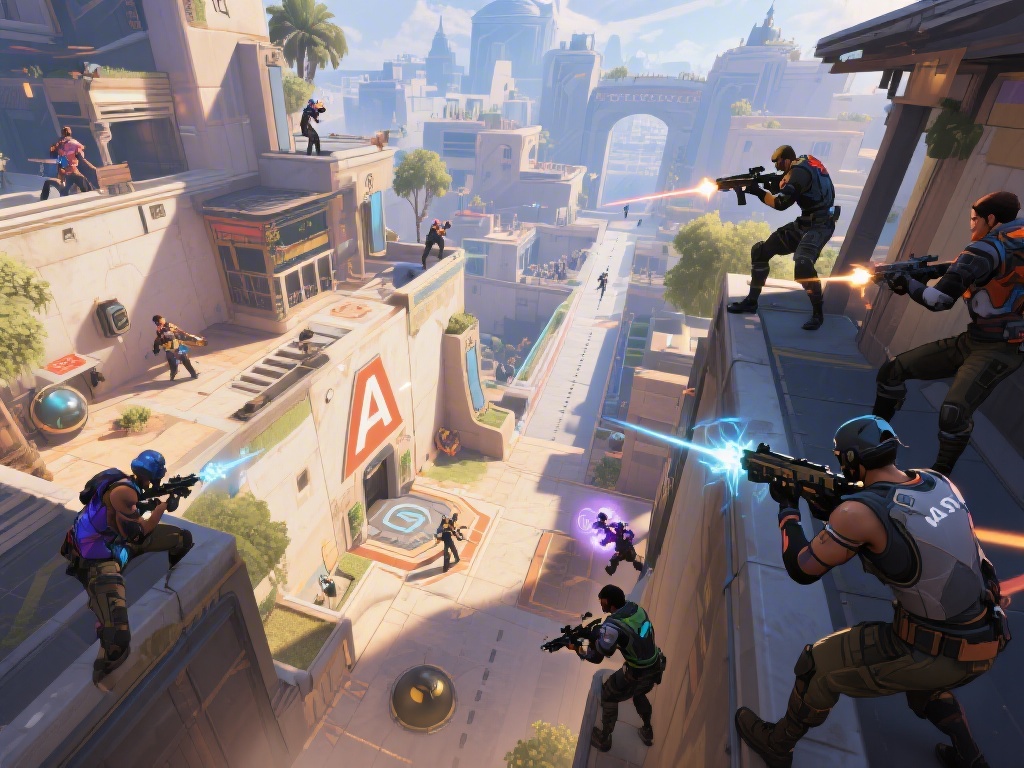
Map knowledge is just as important as agent mastery, and you should spend time learning common peeking angles, default plant spots, and retake paths for every map in the rotation. For example, on Ascent, knowing the common hiding spots on A site after a plant will let you clear the area faster during retakes, and knowing which angles are commonly held on mid will let you peek safely without getting picked off immediately. You can learn most of these angles by watching pro players or higher-ranked streamers play your main maps, or by spending 10 minutes in a custom game walking around the map and noting spots where you usually get caught off guard.
Optimize Your In-Game Settings and Practice Routines for Steady Progress
You don’t need a $2000 gaming PC to play Valorant well, but optimizing your in-game settings to get a consistent high frame rate will make a huge difference in your aim and reaction time. Always turn off unnecessary background apps before you play, and set your in-game graphics to low if you’re getting frame drops, as even small stutters can make you miss critical shots. You should also turn off all in-game visual effects that don’t impact gameplay, like bloom and motion blur, because they can distract you from seeing enemies clearly.
When it comes to practice routines, quality always beats quantity. You don’t need to grind 8 hours a day to see improvement, in fact, overgrinding often leads to burnout and worse performance over time. Most players see the best results with 1 to 2 hours of focused practice a day, plus 1 to 2 hours of ranked play, with short breaks every 60 minutes to rest your hands and eyes. It’s tempting to scroll through social media during those breaks, but that can overstimulate your brain and make it harder to get back into competitive focus. Many players opt for low-effort, quick casual games to fill that short downtime instead, and a go-to pick for many is Share Slots, which takes just a few minutes per round and doesn’t require the same level of focus as competitive play. That way you can take a break without completely disconnecting from the fast-paced rhythm of the game.
You should also record your ranked matches every once in a while to review your mistakes. Most players miss obvious errors while they’re playing, like peeking angles without utility, or holding a spot that’s completely exposed, and watching your matches back lets you spot bad habits you didn’t know you had. You don’t need to watch every full match back, just take 10 minutes after a loss to review the rounds where you died, and note what you could have done differently to survive or win the fight.
Develop Team Communication and Game Sense to Outplay Opponents Consistently
Valorant is a team game first, and even the best individual player in the world won’t climb ranks if they don’t communicate well with their team. You don’t need to talk nonstop every round, but always call out enemy positions, utility usage and remaining health whenever you have that information. Even a quick “one enemy A short, 50 health” gives your team enough information to rotate or push effectively, and it’s way better than staying silent and letting your teammates get caught off guard.
Game sense is another skill that takes time to build, but it’s what separates average players from high-rank ones. Game sense is basically the ability to predict where enemies are going to be, what utility they’re going to use, and what their next move is, based on the information you have from your team and the current state of the round. You can build game sense by paying attention to the minimap every few seconds, keeping track of how many enemies are still alive, and noting which agents the enemy team is playing. For example, if the enemy has a Sova and you haven’t seen a dart in 30 seconds, you can be almost certain they’re about to use a drone or a shock dart to clear a site before pushing.
Avoid tilting after a single bad round, because tilted players make stupid, impulsive decisions that cost their team the match. If you lose a round that you should have won, take a deep breath and focus on the next one instead of yelling at your team or replaying the mistake in your head. Even pro players lose rounds all the time, and the best players are the ones who can shake off a bad round immediately and keep playing consistently for the rest of the match.
At the end of the day, there’s no magic shortcut to climbing ranks, but building small, consistent habits is the fastest way how to get good at Valorant over time. Don’t get discouraged by loss streaks, every match is a chance to learn something new, even if you don’t come out on top. Stick to your practice routine, communicate openly with your team, and don’t forget to take breaks when you need them, and you’ll see your rank climb faster than you expect.