If you’ve scrolled TikTok, watched Twitch streams, or heard friends yelling into mics during game nights, you’ve almost certainly heard chatter about Riot Games’ hit tactical shooter. The first question most new players ask is is Valorant a game that’s worth sinking hours into, especially if you already play other shooters like CS2 or Overwatch 2? I’ve put over 800 hours into the game across casual and ranked play, so I’m breaking down everything you need to know before you hit that download button. It’s not for everyone, but for the right type of player, it can easily become your go-to game for weekly play sessions.
Is Valorant Just Another CS2 Clone? How Its Gameplay Stands Out
It’s impossible to talk about Valorant without acknowledging its clear inspiration from Counter-Strike, and at its core, the base loop is very similar. Two teams of five face off, with attackers working to plant a spike at one of multiple sites, and defenders working to stop them or defuse the spike after it’s planted. Rounds are fast, lasting just 100 seconds, and you lose all the guns and abilities you buy at the end of each round unless you survive. That shared core is where the similarities end, though.
A common misconception I hear from new players is that Valorant only rewards top-tier aim, but that’s far from the truth. Each agent falls into one of four roles: duelist, initiator, controller, and sentinel, each with four unique abilities that completely change how rounds play out. I main Sage, a healer sentinel, and I regularly top the leaderboard without getting the most kills, just by blocking flanks, reviving key teammates, and healing my team through fights. You could have the best aim in the lobby, but if your team doesn’t coordinate ability usage, you’ll still lose to a less skilled team that works well together.
I played CS2 exclusively for three years before trying Valorant, and I went into my first match expecting it to feel like a cheap modded version of the game I knew. By my third match, I was hooked. The ability mechanics make rounds far less predictable, and you don’t have to master 20 different gun recoil patterns to be a valuable team member. It’s a totally unique experience that takes the best parts of tactical shooters and adds a creative, team-focused twist.
What’s The Skill Curve Like For New Players?
If you’re completely new to tactical shooters, you can expect to get crushed for your first 10 to 20 matches, and that’s totally normal. You have to learn map callouts, agent abilities, spike timings, and basic shooting mechanics all at once, and it can feel overwhelming at first. The good news is that Riot has put a lot of work into making the game accessible for new players, even if you’ve never touched a shooter before.
Riot has added multiple casual game modes to help new players learn without the pressure of ranked play, so you don’t have to jump straight into competitive matches if you don’t want to. Swiftplay matches last just 10 minutes, so you can learn the basics without committing to a full 40-minute unrated game. Deathmatch and Team Deathmatch modes let you practice your aim and learn gun mechanics without worrying about team play or objectives. I recommend new players spend at least five hours in these casual modes before trying standard unrated matches, and it’ll make the learning curve feel far less steep.
The gun recoil in Valorant is also far easier to learn than CS2, so you don’t have to spend hundreds of hours in the practice range to get consistent kills. Most players can get the hang of the most popular guns’ recoil patterns in just a few hours of practice. If you’re already familiar with tactical shooters, you can probably start holding your own in unrated matches after just three or four games.
What To Expect From The Valorant Community And Competitive Scene
Let’s get the bad part out of the way first: like every online competitive game, Valorant has its share of toxic players, especially in lower ranked lobbies where players are still learning and get frustrated easily. That said, Riot has massively improved its moderation tools over the past few years, with AI-powered voice chat moderation, instant text chat filters, and fast report response times. I used to run into toxic players every other match a few years ago, now I only run into one every couple of weeks, and you can easily mute voice and text chat if you don’t want to deal with it at all.
You don’t have to play ranked to enjoy Valorant, and most of my friend group only plays casual Swiftplay matches on weekends and has just as much fun as players who grind ranked every day. The casual community is incredibly friendly, and you can find tons of beginner-focused groups on Discord and Reddit to queue with if you don’t want to play alone. I’ve made more than a dozen real-life friends through Valorant groups, and we still meet up for in-person game nights a few times a year.
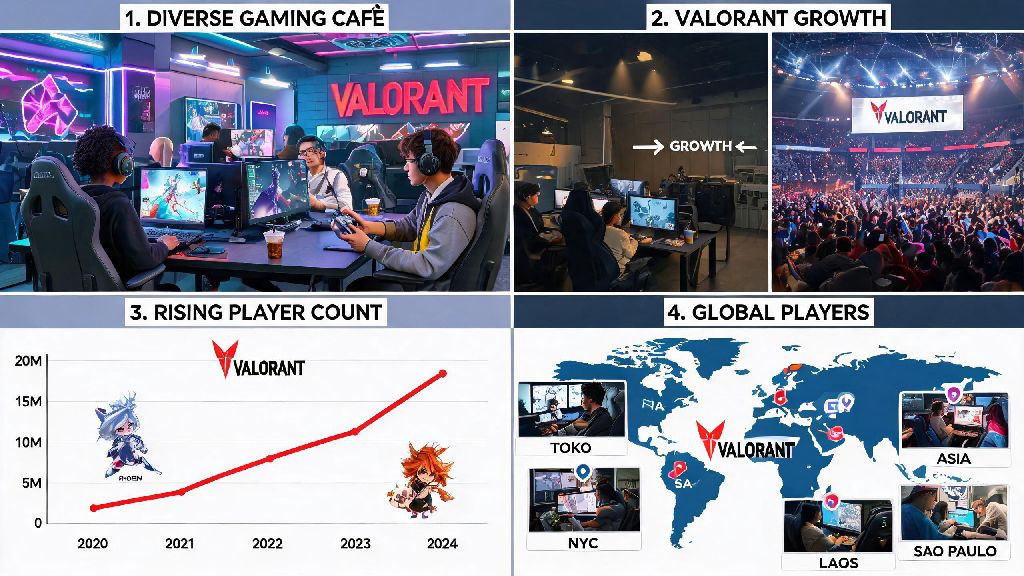
If you do get into competitive play, the scene is massive, with local tournaments, regional leagues, and international events like Valorant Champions that draw tens of millions of viewers every year. You don’t have to be a pro to enjoy competitive play, either, as the ranking system does a pretty good job of matching you with players of your exact skill level. If you want to avoid negative interactions as a new player, follow these simple tips:
- Mute voice and text chat for your first 20 matches until you’re comfortable with the game flow
- Join beginner-focused Valorant communities on Discord or Reddit to find friendly teammates to queue with
- Stick to casual game modes like Swiftplay or Team Deathmatch if you don’t want to deal with ranked competitiveness
How Much Does It Cost To Play Valorant Long Term?
Valorant is completely free to download and play, and there are no pay-to-win mechanics whatsoever. All agents are unlockable for free just by playing matches and earning in-game XP, and you never have to spend a cent to get access to every core gameplay feature. The only paid content in the game is purely cosmetic, including gun skins, agent skins, battle passes, and little in-game accessories like gun buddies and player cards.
None of the paid skins give any gameplay advantage whatsoever, they only change the look and sound of your guns. Some players prefer the feel of certain skins, but that’s purely personal preference, and there’s no benefit to using a paid skin over the default skin. I’ve spent around $40 on skins over the two years I’ve played, and that’s entirely because I liked the look of a few knife skins, not because they made me play better.
Battle passes cost around $10 each, and if you complete the full pass, you earn enough in-game premium currency to buy the next battle pass for free. Most regular players only pay for one battle pass, and they never have to pay for another one again as long as they complete each pass. You can run Valorant on a PC with just 4GB of RAM and an Intel i3 4th generation processor, so you don’t have to upgrade your hardware to play, even if you have a budget laptop. It’s one of the most accessible big-budget competitive games on the market right now.
At the end of the day, whether you’ll enjoy the game comes down to what you’re looking for in a shooter. If you like slow, strategic team play where decision making matters as much as raw aim, it’s a perfect fit. If you prefer fast, chaotic matches with zero team coordination, you might be better off sticking to other shooters. So is Valorant worth trying? Absolutely, it’s free to download, and you can play a few casual matches to see if it clicks for you without spending any money or committing too much time. I’ve made dozens of real life friends through the game, and it’s still my go-to activity for Friday nights with my friend group, even after playing for years. Give it a shot, you might be surprised how much you like it.