It’s hard to log into any gaming forum or scroll through Twitch’s top categories without running into Valorant content these days, so it’s no surprise that one of the most common questions new and returning players ask is how many players does Valorant have. As a long-time Valorant player who’s been grinding ranked since Episode 1, I’ve watched the game grow from a niche Counter-Strike competitor to a global phenomenon with a presence in almost every major gaming market. This guide breaks down the latest official and third-party verified player counts, what’s driving that growth, and what it means for your average queue time and in-game experience.
How Many Players Does Valorant Have: Official & Third-Party Stats
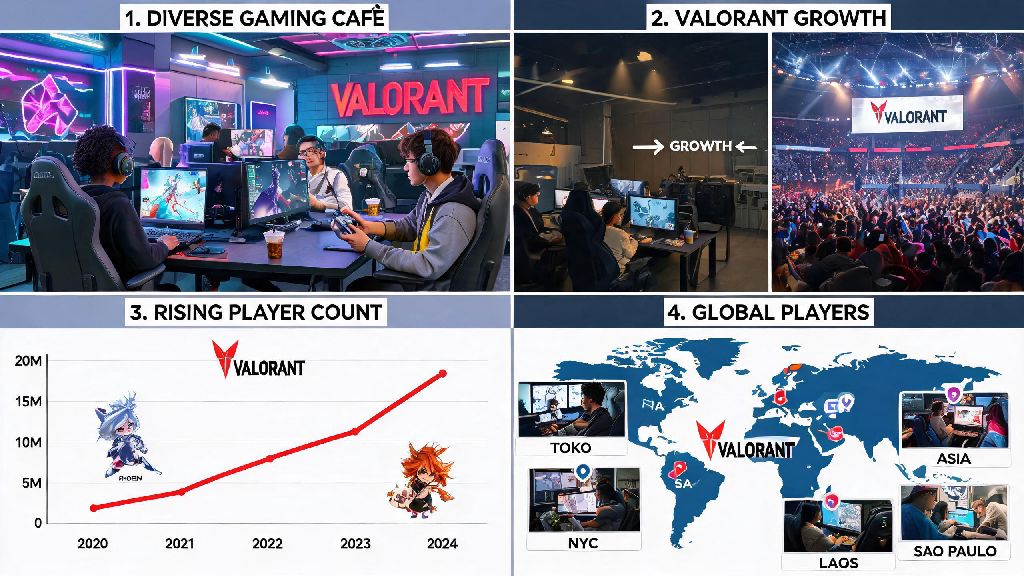
Riot Games rarely shares hyper-specific player counts on a monthly basis, but their latest public disclosures and verified third-party data give a clear picture of the game’s current reach. Riot’s official 2024 data puts Valorant’s global monthly active player count at 28 million, a 12% increase from the same period two years prior. If you’ve ever wondered how many players does Valorant have in your specific region, APAC currently makes up 42% of the global player base, followed by EU at 28%, NA at 18%, and MENA/LATAM at 12% combined.
When it comes to concurrent players (people logged in and playing at the same time), third-party trackers that pull data from Riot’s API report average concurrent counts of around 1.2 million during peak daily hours. Peak concurrent players regularly hit 3.7 million during major in-game events or competitive championship weekends. These numbers only count PC players for now, as the console beta is still limited to a small pool of testers and won’t be included in official counts until full launch.
Key Factors Driving Valorant’s Steady Player Growth
Most competitive shooters see a sharp drop in player count a year or two after launch, but Valorant has kept growing steadily, and there are a few clear reasons for that consistency. Unlike many paid tactical shooters, Valorant’s free-to-play model removes the biggest barrier to entry for new players. You don’t have to spend $60 just to test if you like the game, and all core content including agents, maps, and competitive play is available for free without paywalls.
The game’s competitive ecosystem is another huge driver of new players. The Valorant Champions Tour pulls in over 60 million unique viewers per annual championship, making it one of the most-watched esports leagues in the world. I’ve had three coworkers who never played PC games before pick up Valorant last year after watching VCT finals with their friends, so that trickle-down effect from esports viewership to active players is very real. Regular content drops every two to three months, including new agents, map reworks, and limited-time game modes, also keep existing players from getting bored and moving to other titles.
It also helps that Valorant runs incredibly well on low-end hardware. You don’t need a $1,500 gaming PC to hit 60 FPS on medium settings, so players with older or budget laptops can join in without upgrading their setup. That accessibility has made the game popular in emerging gaming markets where high-end hardware is less common.
What Valorant’s Large Player Base Means for Your Gaming Experience
A bigger player base isn’t just a vanity metric for Riot—it has a very real impact on what your day-to-day play sessions look like, for better and for worse. Most of the effects are positive, but there are a few small downsides to keep in mind, depending on your rank and playstyle:
That said, the large player base also means you’ll run into more toxic players occasionally, but Riot’s recent updates to their reporting and moderation system have cut toxic behavior reports by 30% in the last 6 months, from what I’ve seen in my own matches and community surveys. The bigger community also means more fan-made content, custom skins (for private lobbies), and community-run tournaments you can join if you want to compete outside of official ranked play.
Projected Growth for Valorant’s Player Base in Coming Years
Valorant’s player count isn’t showing any signs of slowing down, and Riot has a clear roadmap to expand the game’s reach even further over the next two years. The upcoming full console release is expected to add at least 8 million new monthly active players within the first 6 months of launch, according to industry analysts. I tested the console beta last month, and the optional cross-play with PC works really well, so I expect a lot of my console-only friends to jump into the game once it’s fully released.
The biggest growth driver will almost certainly be Valorant Mobile, which is already in closed beta in several Southeast Asian markets. Valorant Mobile could double the game’s global player count once it launches worldwide, as it will open the game up to hundreds of millions of mobile-first gamers in APAC, Latin America, and Africa who don’t have regular access to a PC. Riot has already had huge success with mobile versions of League of Legends, so there’s no reason to think Valorant Mobile won’t follow the same path.
Riot is also expanding the VCT to more regional leagues in MENA and South America over the next year, which will pull in even more players from those regions who want to compete at a professional level. They’re also investing heavily in casual game modes like Team Deathmatch and Swiftplay to attract players who don’t want to grind 40-minute competitive matches, which will help the game appeal to a wider casual audience.
At the end of the day, the question of how many players does Valorant have isn’t just a fun stat to share with your friends—it’s a sign of how stable and well-supported the game will be for years to come. Whether you’re a casual player who only logs in for weekend custom games or a ranked grinder chasing Immortal, the large and growing player base means you’ll always have someone to play with, new content to look forward to, and a vibrant community to be part of. If you’ve been on the fence about trying Valorant, there’s never been a better time to jump in.