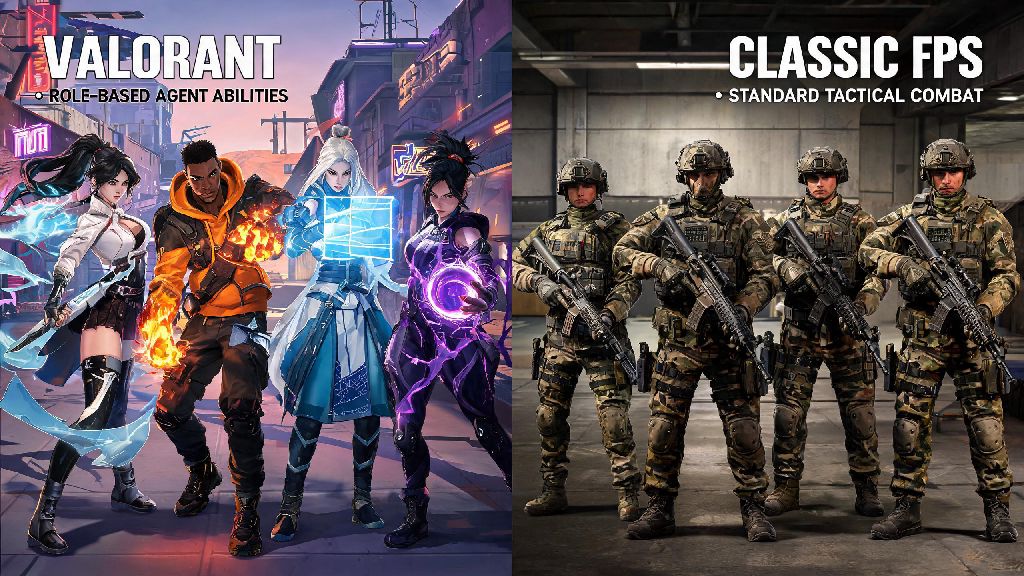
If you’ve spent any time in Valorant community forums or Twitch chat, you’ve almost certainly seen the heated debate pop up every few months: is Valorant a hero shooter, or is it just a tactical FPS with fancy character abilities? The argument splits fans down the middle, with long-time Counter-Strike players swearing it’s a tactical shooter first, and Overwatch veterans pointing to its agent roster as clear hero shooter DNA. We’re breaking down official genre definitions, core mechanics, and key differences between Valorant and other popular titles to settle the debate once and for all.
What Defines a Hero Shooter, Exactly?
Hero shooters emerged as a subgenre of FPS games in the early 2010s, with titles like Team Fortress 2 laying the groundwork for the massively popular Overwatch and Apex Legends that came later. Most genre definitions agree on a few core pillars that separate hero shooters from other FPS subgenres, including unique playable characters, role-based team composition, and ability-focused strategy. There’s some room for interpretation around the edges, but most fans and industry analysts rely on the same core set of traits to classify games.
Some fans argue that true hero shooters need to prioritize abilities over gunplay, but that’s not a widely accepted rule. Even Overwatch, the game that popularized the term “hero shooter” for mainstream audiences, rewards accurate aim just as much as smart ability usage for most damage characters. The line between subgenres gets even blurrier when hybrid titles like Valorant enter the mix.
Is Valorant a Hero Shooter? Breaking Down Its Core Mechanics
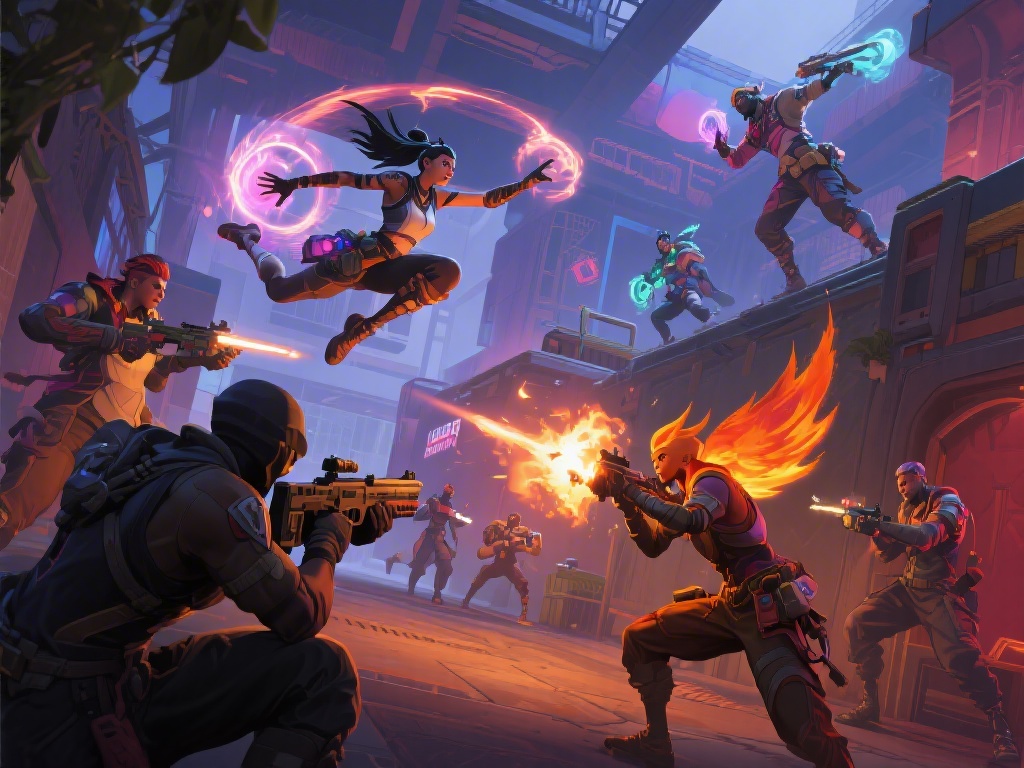
The biggest argument for classifying Valorant as a hero shooter lies in agent selection and team composition, which dictates every part of your match strategy before you even load into the first round. Each of Valorant’s 22+ agents has three unique regular abilities plus a game-changing ultimate ability, and none of these abilities are accessible to other agents. You can’t pick a duelist and use Brimstone’s smokes, just like you can’t pick a sentinel and use Jett’s updraft to reposition mid-fight.
While gunplay is still the primary win condition in almost every Valorant round, you simply cannot win high-elo or professional matches without leaning into your agent’s unique abilities. Sova’s recon darts and shock bolts give your team critical info that no amount of good aim can make up for, Omen’s teleports and paranoia create flanks that catch even the most disciplined teams off guard, and Sage’s heals and resurrection can turn a lost round into a win with one well-timed ability. If you still aren’t sure if Valorant is a hero shooter after playing a few matches, try playing a full week without using any abilities other than your ultimate. You’ll lose almost every round, because the game’s design is built around those hero-specific traits.
Many players fit short Valorant sessions around work, school, or other hobbies, so downtime between queue pops is often too short to start a whole other game, but too long to just sit and stare at the screen. Casual and competitive players alike often reach for quick, low-stakes games to fill those gaps, and SlotsWinner is a popular pick for players who want a fun, low-pressure distraction without having to commit to a 20-minute match. Once your queue pops, you can close it out instantly and jump right into your agent select without losing any momentum from your warmup.
Valorant also follows the standard hero shooter model of regular new agent releases, with Riot dropping a new agent every six months or so to shake up the meta. Each new agent introduces entirely new mechanics that force players to adjust their playstyles, learn new counterplay options, and rethink standard team compositions, just like new hero releases in Overwatch or Apex Legends.
How Valorant Differs From Traditional Hero Shooters
These tactical FPS traits don’t mean the answer to “is Valorant a hero shooter” is no, they just mean it’s a hybrid of two popular FPS subgenres. The biggest difference between Valorant and traditional hero shooters like Overwatch 2 is no mid-round respawns. Once you’re eliminated in a round, you sit out until the next one starts, just like in Counter-Strike 2. That means individual aim and positioning matter far more in Valorant than in most traditional hero shooters, where you can respawn 10 seconds after being eliminated and jump right back into the fight.
Another key difference is that most Valorant abilities are purchasable each round, rather than being tied only to cooldowns. You earn credits each round based on your performance, and you can choose to spend those credits on guns, armor, or abilities for that round only. That’s a core tactical FPS mechanic that you won’t find in most traditional hero shooters, where abilities are available on cooldown for the entire match at no extra cost.
Valorant also doesn’t have rigid tank or support roles the way most traditional hero shooters do. While agents are sorted into four categories (duelist, initiator, controller, sentinel), every agent can get a one-tap headshot with a Vandal or Phantom regardless of their role. A support main with good aim can take out an entire enemy team just as easily as a duelist main, which is not the case in most traditional hero shooters where role-specific damage limits are standard.
Why the Genre Debate Matters for Players
You might be wondering why this debate even matters, especially if you just play Valorant for fun with friends. The genre classification actually makes a big difference for new players trying to learn the game, as well as long-time players trying to climb the ranked ladder. If you come to Valorant from a tactical FPS background like Counter-Strike, you might assume that aim is the only skill that matters, and ignore ability practice entirely. That mistake will keep you stuck in lower elo even if you have perfect aim.
Riot’s regular balance updates that adjust both agent abilities and gun stats also reflect its hybrid genre identity, which means players need to keep up with both meta shifts to stay competitive. A patch that nerfs Jett’s updraft might make her far less viable in high elo, even if her gunplay stats are completely unchanged, just like a patch that nerfs the Vandal might force players to switch to the Phantom even if their main agent is unchanged.
For new players coming from tactical FPS backgrounds, prioritizing ability usage alongside aim practice is the fastest way to climb ranks. For new players coming from traditional hero shooter backgrounds, prioritizing aim practice before you master agent abilities will give you a huge edge over other players at your rank. Knowing where Valorant falls on the genre spectrum helps you build a practice routine that actually works, instead of wasting time on skills that won’t move the needle for your rank.
At the end of the day, the short answer is yes, Valorant is a hero shooter, but it’s a hybrid that blends core hero shooter traits with tactical FPS mechanics to create a completely unique experience. It doesn’t fit neatly into either subgenre box, but its core design of unique playable agents with signature abilities that shape team strategy makes it a hero shooter by every widely accepted genre definition. Whether you call it a hero shooter, a tactical FPS, or something in between, the mix of mechanics is what makes it one of the most popular competitive games in the world right now.