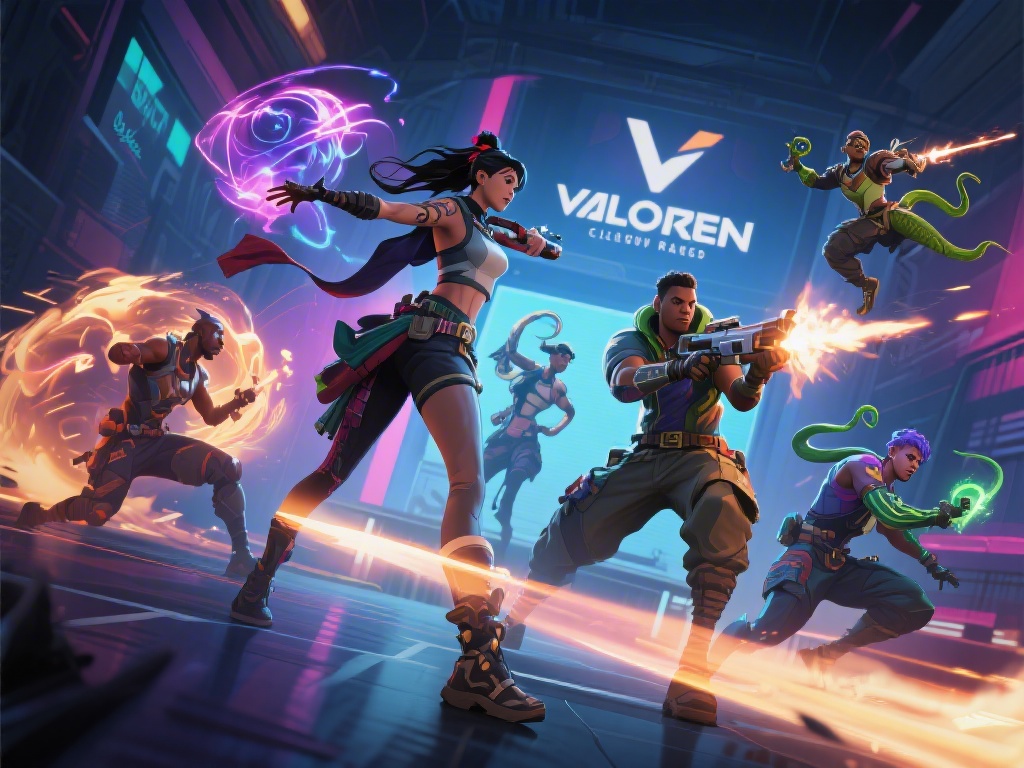
If you’ve scrolled TikTok and seen flashy 1v5 clutch clips, or had your friend group spam you for weeks to join their ranked queue, you’ve probably wondered: is Valorant good? I’ve put 1,200+ hours into the game across casual unrated, competitive ranked, and even local amateur tournaments, so I’ve got a pretty clear picture of who this game clicks with, and who should probably skip it entirely. Unlike other tactical shooters, Riot’s 5v5 free-to-play title blends precise gunplay with unique agent abilities to create a gameplay loop that’s equal parts frustrating and addictive. Before you download the 30GB client and spend an hour setting up your crosshair, let’s break down exactly what makes Valorant worth your time, and where it falls short.
Is Valorant Good for Different Types of Gamers?
The answer to this question almost entirely depends on what you want out of your gaming time. I’ve seen players fall in love with Valorant after their first match, and others uninstall before they finish their first tutorial. To make this easier, I’ve broken down the player profiles that get the most out of the game, and those that will probably hate it.
Who Valorant is perfect for:
- Players who love tactical, team-focused gameplay over mindless run-and-gun shooters
- Fans of Riot’s other titles like League of Legends who enjoy consistent updates and a polished competitive ecosystem
- Gamers who like mastering unique character kits and learning new strategies every few weeks
Casual players who only have 30 minutes or less a day to play may struggle to enjoy the core experience at first. Standard unrated and ranked matches last 35 to 45 minutes on average, and if you get stuck with a disconnected teammate or a one-sided stomp, that time can feel like a total waste. The shorter Swiftplay mode helps with this, as matches wrap up in 15 to 20 minutes, but you’ll miss out on a lot of the strategic depth that makes Valorant stand out.
Competitive players who thrive on ranked progression will almost certainly love Valorant. The ranking system is tightly calibrated, and you’ll almost always be matched with players of a similar skill level once you’ve played 10 or so placement matches. There are also regular local and online tournaments for players who want to test their skills outside of standard ranked queues, with prize pools ranging from in-game skins to cash rewards.
What Makes Valorant Stand Out From Other Tactical Shooters?
There’s no shortage of tactical shooters on the market, but Valorant has held its spot as one of the most popular titles in the genre since its 2020 launch for a few very good reasons. If you’re still wondering is Valorant good compared to competitors like CS2 or Rainbow Six Siege, these factors are its biggest selling points.
First, it’s 100% free to play with no pay-to-win mechanics. Every agent in the game can be unlocked for free by earning experience through playing matches, and all paid content is purely cosmetic. You can spend $20 on a fancy knife skin, but it won’t make you do more damage or run faster than a player using the default skin. This fair monetization model means everyone is on a level playing field, no matter how much they spend on the game.
Second, Riot’s Vanguard anti-cheat system is widely considered the best anti-cheat in the entire FPS genre. While some players have raised concerns about its kernel-level access, Riot has repeatedly clarified that it does not collect personal user data, and the system works. In my 1,200 hours of play, I’ve only run into three confirmed cheaters, which is far less than the dozens I encountered in 500 hours of CS2 play. You won’t have to worry about losing a close ranked match to someone using aimbot or wallhacks 99% of the time.
Third, the agent and map variety keep the game feeling fresh even after hundreds of hours of play. There are currently 22 agents to choose from, each with four unique abilities that fill specific roles like duelist, sentinel, controller, or initiator. Riot also adds a new agent every three to four months, and updates existing maps twice a year to keep the meta from getting stale. You can play the same map 100 times and still run into a new strategy you’ve never seen before.
The Biggest Drawbacks of Playing Valorant
For all its good points, Valorant isn’t a perfect game, and there are some flaws that make it a bad fit for a lot of players. I’ve had many friends quit the game after a few weeks for these exact reasons, so it’s important to go in with clear expectations.
The most common complaint is the highly toxic player base in ranked lobbies.. It’s not uncommon to join a ranked match and have a teammate start yelling insults within the first three rounds if you make a small mistake. New players are especially targeted, as more experienced players often get frustrated with teammates who don’t know map callouts or agent ability uses. I once had a teammate threaten to report me for missing a shot even though I was top fragging at the time, so this isn’t a rare occurrence. You can mute toxic players, but dealing with that energy every other match gets tiring fast.
Second, the learning curve is extremely steep. Unlike casual shooters where you can jump in and have fun right away, Valorant requires you to learn a lot of information before you can hold your own. You have to master gun recoil patterns, map callouts, agent ability cooldowns, the in-game economy system, and hundreds of common lineups for smokes and flashes. Most new players get stomped for their first 20 to 30 matches, and a lot of people don’t have the patience to push through that initial frustration.
Third, there are occasional performance and server issues that can ruin matches. While Valorant is optimized to run on most low to mid-tier PCs, Vanguard sometimes conflicts with other software like antivirus programs or streaming tools, leading to random crashes or frame drops. I’ve also had matches where the server lagged so bad that my shots didn’t register for 10 seconds, costing us the round. These issues are rare, but they’re incredibly frustrating when they happen during a close ranked match.
Tips to Get the Most Out of Valorant If You Decide to Play
If you’ve read through the pros and cons and still want to give Valorant a try, these tips will help you have a much better experience as a new player. I wish I’d known these when I first started playing, as they would have saved me dozens of hours of frustration.
First, stick to unrated or Swiftplay for your first 20 to 30 games before you touch ranked. It takes time to learn the basics, and playing unrated lets you make mistakes without risking your rank or getting harassed by tryhard players. You’ll also unlock most of the starter agents by the time you hit level 20, so you can try out different roles and find one that fits your playstyle.
Second, pick 2 to 3 main agents to learn first, instead of switching between every agent every match. New players should start with easy-to-learn agents like Sage, Phoenix, or Brimstone, as their abilities are straightforward and they don’t require complex lineups to be useful. Once you master those, you can move on to more difficult agents like Jett or Omen if you want.
Third, mute toxic teammates immediately. It’s not worth wasting your energy arguing with someone who’s going to yell at you no matter what you do. You don’t even have to listen to team voice chat if you don’t want to, as you can use the in-game ping system to communicate with your team just as effectively for most casual matches.
Finally, don’t get discouraged if you lose a lot of matches at first. Even the best professional players started out getting stomped when they first played. The more you play, the more you’ll learn, and after a few weeks you’ll start noticing yourself getting better and winning more rounds.
So, is Valorant good? The short answer is it depends on what you’re looking for in a game. If you love team-based tactical play, don’t mind a steep learning curve, and can ignore the occasional toxic teammate, it’s one of the most rewarding free shooters on the market right now. If you prefer casual, low-pressure games you can jump into for 15 minutes at a time, you’ll probably have more fun playing something else. At the end of the day, the best way to know if it’s right for you is to download it, play a few Swiftplay matches, and see if the gameplay clicks for you. You’ve got nothing to lose, since it’s free.