If you’ve watched clip after clip of crazy Valorant clutch plays pop up on your social feeds, or had friends beg you to queue up for ranked matches with them, you’ve probably asked what platform is Valorant on at least once. The 5v5 tactical shooter from Riot Games has exploded in popularity since its launch, drawing in casual players and pro esports athletes alike with its mix of precise gunplay and unique agent abilities. It’s easy to assume you can play it on every device you own, but there are a few key limitations and caveats you need to know before you try to download it.
What Platform Is Valorant On Officially?
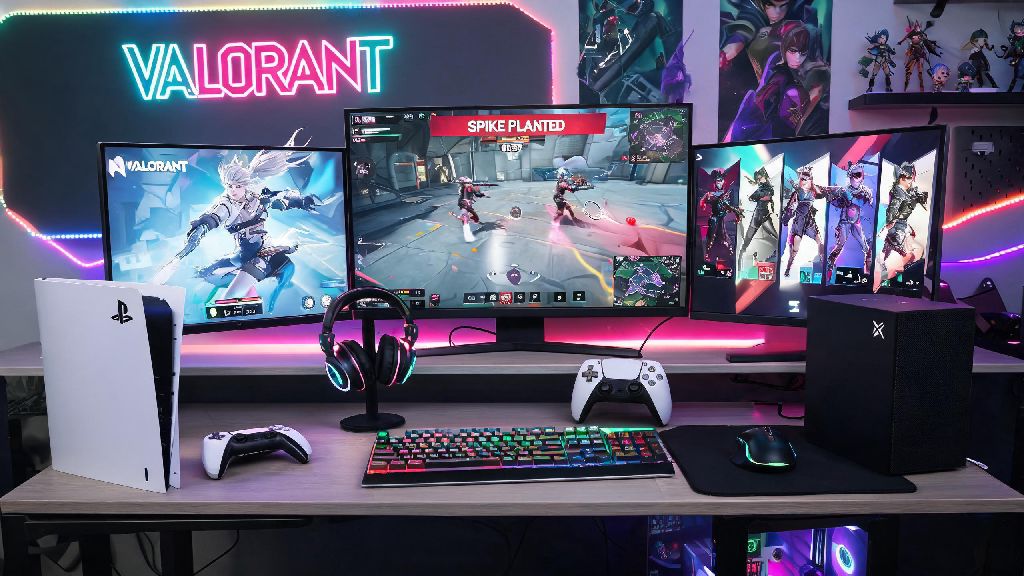
Riot has expanded Valorant’s supported device list slowly over the years, prioritizing competitive fairness and anti-cheat compatibility over rushing to launch on every possible platform. As of the latest updates, only four platforms have official support, with more in testing for future launch. You can access the full, free-to-play game on any of these supported platforms with no paywall for core content:
There is no official way to play Valorant on older generation consoles like the PS4 or Xbox One, as Riot has stated the hardware can’t support the low input lag and anti-cheat requirements needed for fair competitive play. Mac users also don’t have a native client option, but can access the game via official cloud gaming partners like GeForce Now as long as they have a stable internet connection. Avoid any third-party sites claiming to offer a native Mac or Switch version of the game, as these are almost always fake and can carry malware or lead to account bans.
Crossplay and cross-progression details across Valorant platforms
One of the biggest perks of Valorant’s multi-platform launch is full cross-progression support across all official platforms, as long as you link your console or mobile account to your core Riot Games account. That means any skins you unlock, ranks you earn, or agents you unlock on PC will carry over automatically to your PS5 or Xbox account, no extra purchases required. You can also queue up for unranked, custom, and even ranked matches with friends on different platforms if you opt in to crossplay in your settings.
If you play with a consistent group of friends across different platforms, you’ve probably run into the frustration of not having enough space in your custom lobby for everyone who wants to join, especially when you’re running scrims or casual game nights. Many players who host regular custom matches use Share Slots to reserve spots for their teammates without having to kick random players who join the lobby early, which cuts down on pre-game admin time and lets you get into matches faster.
Cross-progression is enabled for all supported platforms as long as you use the same core Riot Games account, so make sure you link your accounts correctly the first time you log in on a new device to avoid losing any progress. Ranked queues are separated by input method by default, so controller players won’t be matched against mouse and keyboard players unless they explicitly opt in to crossplay. Console players do get limited aim assist to balance the difference between controller and mouse precision, but Riot has adjusted the feature repeatedly to make sure it doesn’t give an unfair advantage.
Key system requirements to run Valorant smoothly on PC
Valorant is intentionally designed to run well on low-end hardware, so most PC builds from the last 10 years can handle the game at playable frame rates. The minimum requirements for 30fps gameplay are extremely accessible: an Intel Core i3-4150 CPU, 4GB of RAM, and an Intel HD 4600 integrated GPU. That means you don’t need a dedicated graphics card to run the game for casual play, though you will have to turn down some graphics settings to hit consistent frame rates.
If you want to play competitively and hit 144fps or higher, the recommended specs are still fairly affordable: an Intel Core i5-9400F or equivalent AMD CPU, 8GB of RAM, and a GTX 1650 or equivalent dedicated GPU. Valorant is designed to run well even on low-end PC builds, so you don’t need a $2000 gaming rig to compete at a high rank. The most important factor for competitive play is consistent frame rate and low input lag, so prioritize these over fancy graphics settings if you’re playing ranked.
One common issue new PC players run into is Vanguard anti-cheat errors on Windows 11. The anti-cheat requires TPM 2.0 and Secure Boot to be enabled in your PC’s BIOS, so if you get a launch error, that’s the first thing to check. You can find step-by-step guides to enable these settings on Riot’s official support site, and the process only takes a few minutes for most builds.
What to expect from future Valorant platform expansions
Riot has teased multiple platform expansions in the works, but has not shared firm launch dates for any of them yet. The most anticipated upcoming launch is Valorant Mobile, which has been in beta for over two years in select regions. Riot has stated that the mobile version will have full cross-progression with PC and console, but will have separate ranked queues to keep matches fair for touch screen players.
A Nintendo Switch version is also in early testing, but Riot has repeatedly pushed back the launch to make sure the hardware can handle the game’s anti-cheat and input lag requirements. There are no current plans for a native Mac client, but Riot has expanded cloud gaming support to more services in recent years, making it easier for Mac users to access the game without running Boot Camp.
Riot has repeatedly stated that they prioritize fair competitive play over broad platform support, so any new platform launch will come with anti-cheat compatibility first. That means you won’t see Valorant launch on a new device unless the team is 100% confident it won’t introduce cheating risks or unfair advantages for players on that platform. Console-only competitive circuits are also in the works, with plans for regional and global console tournaments launching as the console player base continues to grow.
At the end of the day, whether you’re a casual player who only has access to a console or a die-hard competitive player with a high-end PC, the answer to what platform is Valorant on is more flexible than it was just a couple of years ago. You don’t have to drop hundreds of dollars on new hardware to join in on the fun, and cross-progression means you can carry all your hard-earned unlocks with you no matter what device you switch to later. Always download the Riot Client directly from the official Riot Games website to avoid fake installers that can compromise your account security, and adjust your crossplay settings to match your preferred play style before you jump into your first match.