If you just clicked install on Valorant’s 2026 Episode 10 update and saw the 100 GB required storage pop up, you’re not alone. I swear I almost uninstalled Stardew Valley to make room last month before I dug into what was taking up all that space, and immediately wondered why does Valorant take up 100 GB now when it was barely 30 GB at launch. Thousands of players on Reddit and Discord have posted the same complaint, especially those who share SSD space with other games, school files, or work projects. This post breaks down all the reasons for the bloated file size, what parts you can safely cut, and how to make sure it doesn’t eat up more space than it needs to.
Core Reasons Why Does Valorant Take Up 100 GB in 2026
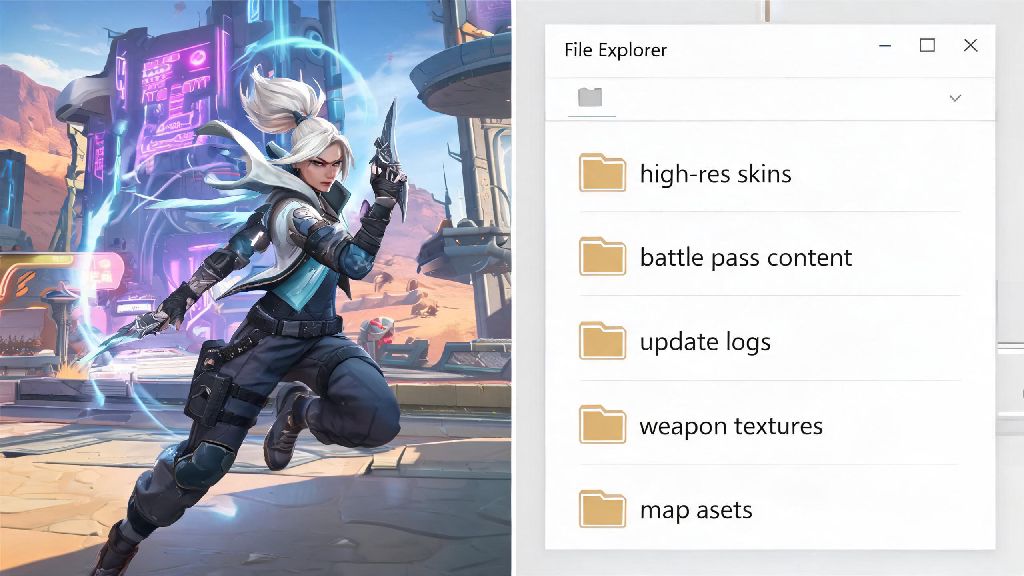
The 100 GB install size isn’t just random bloat, most of it comes from intentional updates Riot rolled out this year to improve gameplay and feature access. High-resolution character skins and battle pass content make up a huge chunk of the size, for starters, since Riot added layered texture options for premium skins that let you customize color schemes, effects, and even sound cues. Every new agent and map also adds a ton of new asset files, and 2026’s roster now has 28 agents and 18 total maps, up from 22 agents and 14 maps just two years ago.
The other big contributors are anti-cheat updates and default pre-installed content you probably don’t even use. Vanguard, Riot’s kernel-level anti-cheat, expanded its local cheat signature library in 2026 to catch new, harder to detect cheats, adding 15 GB of files on its own. By default, Valorant also installs all 17 supported language voice packs now, so if you only play in English, you’re carrying 10+ GB of unused agent lines, announcer audio, and event content for no reason.
If you’re curious exactly what’s taking up the most space in your install, the top 3 storage hogs are:
Why the File Size Jumped 40 GB Since 2025
If you played Valorant last year, you probably remember it only took up around 60 GB, so the massive 2026 increase caught most people off guard. Most players don't realize these extra cross-save files are one of the biggest contributors to why does Valorant take up 100 GB right now. Riot launched console versions of Valorant for PlayStation 5 and Xbox Series X/S in March 2026, and the PC version now carries mandatory cross-save compatibility files that let you sync your skin inventory, rank progress, and settings seamlessly between platforms.
You don't have the option to skip these cross-save files during installation right now, even if you never plan to play on console, that's an extra 12 GB right there. Riot also added a full match replay system in Episode 10 that saves your last 20 ranked matches locally, which can take up 5 to 10 GB of extra space depending on how long your matches run. Riot's official 2026 storage FAQ confirms these two features are responsible for 75% of the 2025 to 2026 file size increase.
Simple Ways to Reduce Valorant's 100 GB Footprint
The good news is you don't have to delete all your other games to make space for Valorant, there are a few easy tweaks you can make to cut its size by up to 30 GB without breaking any anti-cheat rules or hurting your gameplay experience. First, delete unused language packs. You can do this through the Valorant launcher settings, under the "language" tab, deselect all languages you don't use, then restart the launcher to delete the extra files. Make sure you only delete language packs you're 100% sure you won't use, because re-downloading them later can take a while if you decide to switch.
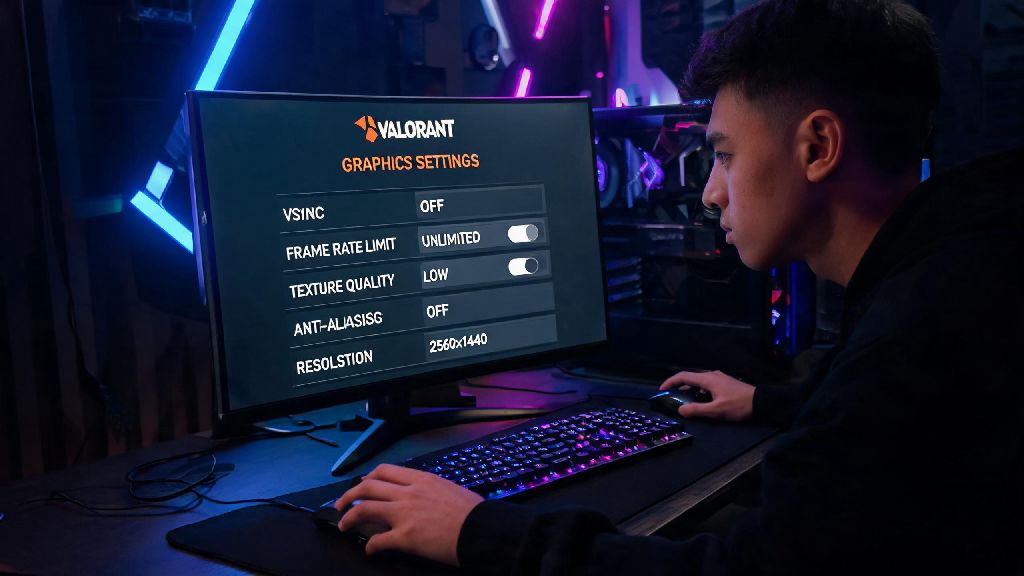
Second, disable automatic 4k texture downloads. If you play on a 1080p or 1440p monitor, you don't need 4k textures at all, and disabling this in the in-game graphics settings will delete 15 to 20 GB of unused texture files immediately. Third, clear old replay files every few weeks. You can access your replay folder through the in-game settings, and delete matches you don't plan to rewatch to free up extra space. These simple changes can cut the total size by 30% or more, so you don't have to stress about why does Valorant take up 100 GB every time you try to install a new game.
Just don't touch any other files in the Valorant program folder, because modifying or deleting core files can trigger a Vanguard ban, even if it was an accident. Avoid using third-party "file cleaner" tools for Valorant, most of them aren't updated for 2026's file structure and can accidentally delete critical Vanguard files that will force you to re-install the entire game.
What to Expect for Valorant's Storage Size in Future 2026 Updates
Riot has already confirmed that they're working on a few changes to cut down on unnecessary storage bloat for PC players, set to roll out in the Episode 10 Act 2 patch this July 2026. First, the opt-out for cross-save files will let PC-only players delete that 12 GB of extra compatibility data. They're also rolling out a new "skin streaming" feature that will only download skin assets for skins you actually own, instead of all 200+ released skins, which will cut another 20 GB for most players who only own a handful of skins.
The skin streaming feature will be enabled by default for all new installs starting in July 2026, but existing players will have to turn it on manually in their launcher settings. There's also a plan to reduce Vanguard's storage footprint by moving most of the cheat signature database to cloud scans instead of local storage, which will cut another 8 GB by the end of 2026. If you're struggling with storage right now, you don't have to upgrade your SSD just yet, these updates will bring the base install size down to around 60 GB for most players by the end of the year.
At the end of the day, the question of why does Valorant take up 100 GB in 2026 comes down to new features, better graphics, and cross-platform support that Riot has added to improve the overall player experience. While the sudden jump in file size is annoying for anyone with limited storage, the easy tweaks we covered can help you free up a ton of space right now, and future updates will make the install even smaller later this year. If you still run into storage issues after trying these fixes, you can always reach out to Riot support for help troubleshooting extra hidden files that might be taking up space.