I’ve been climbing Valorant ranked lobbies since the first week of closed beta, and as of 2026, I still log 10+ hours a week playing with friends and coaching new players. One question I get from every new player I work with is how long has Valorant been out, especially since the game feels so polished and fully-featured for anyone jumping in for the first time. It’s easy to assume it’s been around for decades if you only see its massive esports scene, endless skin collections, and 100+ million global player base. But the truth is, its rise has been a lot faster than most people realize.
How Long Has Valorant Been Out as of 2026?
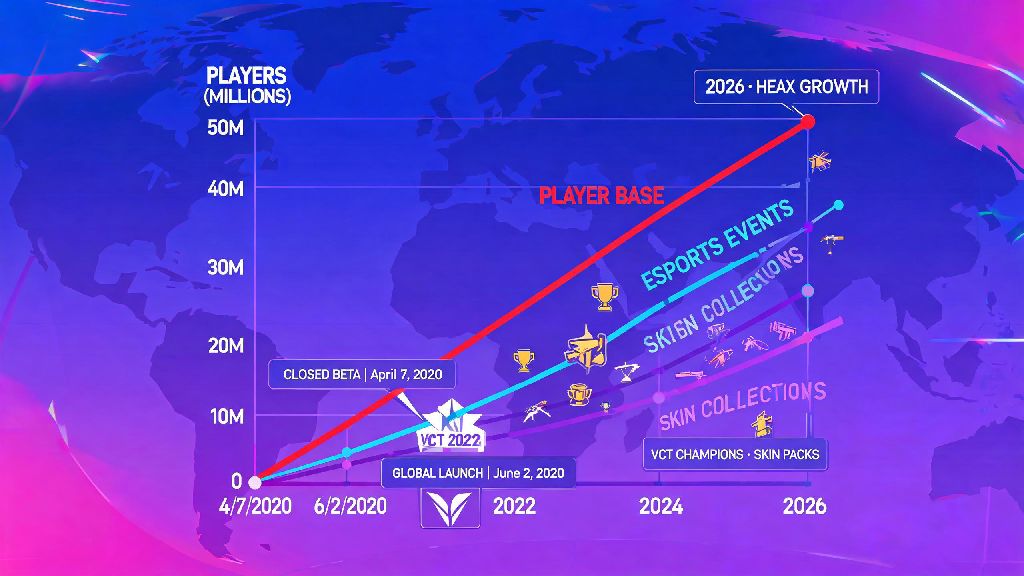
Let’s cut straight to the facts: Valorant launched globally on June 2, 2020, which means as of 2026, it has been officially available for 6 full years. Before its full launch, Riot ran a closed beta test for two months, starting April 7, 2020, that was only available to players in select regions who won access codes through Twitch drops. If you count that beta period, the game has been playable by the general public for roughly 6 years and 2 months as of mid-2026.
Many people mix up internal testing timelines with public release dates, so I’ve put together a quick list of key milestones to clear up any confusion: Key Valorant release milestones to note:
As of 2026, Valorant has been fully released for 6 full years, with an additional two months of closed beta testing before its official launch. That might sound short for a game with such a massive cultural footprint, but Riot’s consistent update schedule has helped it grow faster than almost any other FPS title in history.
How Valorant’s 6-Year Run Has Shaped Modern FPS Gaming
When Valorant first launched, a lot of critics wrote it off as a cheap CS:GO clone with cartoonish graphics and overpowered hero abilities. But 6 years later, it’s clear it has redefined what a competitive FPS can be. It blended the tactical, round-based gameplay of classic shooters with the hero diversity of MOBA games, and built an esports ecosystem that’s accessible to amateur players and pro teams alike.
One of the biggest shifts it brought to the genre is its focus on accessibility for new players. Unlike older tactical shooters that require hundreds of hours of practice to even compete in casual lobbies, Valorant has built in skill-based matchmaking, clear in-game tutorials, and agent roles that fit different playstyles. That means you don’t have to be a crack shot to contribute to your team, you can play support agents that focus on healing, crowd control, or map intel instead.
One of the biggest reasons Valorant has stayed relevant for 6 years is its consistent, community-focused update cadence. Riot releases a new agent every 3 months, a new map every 6 months, and regular quality of life updates based directly on player feedback. In 2026 alone, they’ve already added 2 new game modes, reworked 3 older agents, and rolled out a long-requested map voting feature for casual lobbies. If you want to keep up with 2026 VCT roster changes and tournament schedules, you can check the official Valorant competitive news hub for real-time updates.
Unlike many other FPS titles that prioritize short-term content drops, Riot has spent years refining core gameplay mechanics based on player feedback. They’ve adjusted hitreg, fixed map bugs, and reworked overpowered abilities within weeks of community complaints, which has built a lot of trust between the dev team and the player base. That’s a big part of why so many players have stuck around for 6 years, and why new players keep joining every day.
Common Misconceptions About Valorant’s Release Date
After talking to hundreds of new players in 2026 lobbies, I’ve heard a lot of wrong claims about how long Valorant has been out. The most common one is that it launched in 2019, but that’s just the year Riot first announced the game during their 10th anniversary League of Legends stream. The game wasn’t playable by anyone outside Riot’s internal team until the 2020 closed beta, so that 2019 date doesn’t count as a release.
Another common misconception is that the mobile and console versions launched at the same time as the PC version. That’s not true at all: the mobile beta didn’t roll out until late 2024, and the console version launched in 2025 for the game’s 5th anniversary. A lot of new players who join on console or mobile assume the game is only a year or two old, because those versions feel so new and polished.
Valorant was never intended to be a quick “CS:GO killer” as many early critics claimed; it was built as a long-term competitive platform. Riot has repeatedly said they plan to support the game for at least 10 more years, so the 6 years we’ve had so far are just the beginning. If you see someone claiming Valorant has been out for 7+ years as of 2026, they’re almost certainly counting early internal Riot testing that was never available to the public.
One funny myth I’ve seen floating around TikTok this year is that Valorant was originally a mod for League of Legends. That’s completely false, though it does share the same lore universe as League, Legends of Runeterra, and Arcane. All the agents are connected to the wider Runeterra canon, which is a big part of why the game has such a dedicated fan base that cares about the story as much as the gameplay.
What The Next 6 Years of Valorant Could Look Like
As of 2026, Riot has already teased a lot of upcoming content that will keep the game fresh for years to come. They’re working on a user-generated map editor that will let players create and share their own custom maps, which is expected to launch in late 2026. They’re also testing a new 10v10 casual mode that will be a permanent addition to the game by the end of the year, for players who don’t want to deal with the pressure of competitive ranked lobbies.
The esports scene is also set to expand a lot over the next few years. Riot is adding regional amateur leagues in 20 more countries in 2027, which will make it easier for new players to go from casual ranked play to pro competition. They’re also planning to add a mobile division to the Valorant Champions Tour by 2028, which will open up pro play to millions of mobile players around the world.
As of 2026, Riot has confirmed that 70% of their Valorant development budget is focused on quality of life updates rather than just new agent or skin drops. That means we’ll see more fixes for long-standing complaints, like better anti-cheat for console and mobile, more accessibility options for disabled players, and a reworked ranking system that will make smurfing a lot harder. You don’t need to have played since beta to be competitive in 2026 lobbies; most top pros today started playing as late as 2023 or 2024. The game is balanced enough that raw game sense and team play matter more than how many years you’ve been grinding.
If you’re a new player just joining in 2026, don’t feel intimidated by players who have beta player cards or rare skins from 2020. The game is more welcoming to new players now than it’s ever been, and there’s no shortage of guides, communities, and coaching resources to help you improve fast.
So whether you’re a brand new player wondering how long has Valorant been out, or a veteran who still has their beta player card hanging in their profile, 2026 is a fantastic time to be part of the Valorant community. The game has come a long way in 6 years, but all signs point to it getting even better in the years ahead. You don’t have to have been there since day one to make great memories or climb the ranked ladder—all you need is a willingness to learn and a good team to play with.