It’s happened to every Valorant player at least once: you grab your favorite snack, boot up your PC, and get ready to grind a few ranked matches with your friends, only to be met with a pop-up saying servers are down for scheduled work. If you’ve ever wondered how long is Valorant maintenance and when you can jump back into your queue, this guide breaks down everything you need to know, from average timelines to what to do if downtime runs longer than expected.
How Long is Valorant Maintenance on Average?
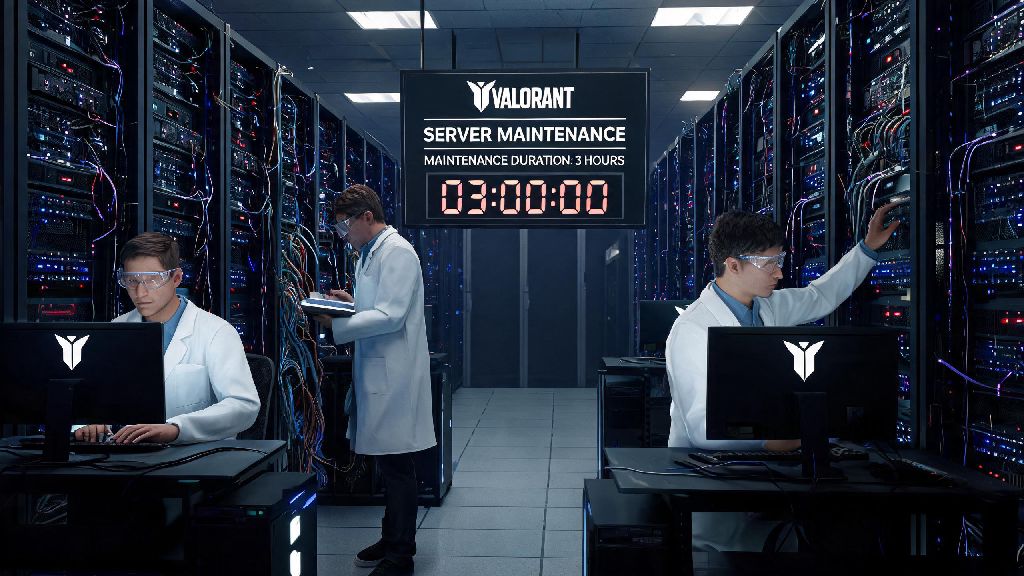
Riot Games schedules regular maintenance for all regional Valorant servers to deploy patches, fix bugs, and roll out new content like agents, maps, or game modes. Standard scheduled Valorant maintenance runs between 2 and 4 hours for most regional servers, and it’s almost always scheduled for low-traffic hours to minimize disruption for the majority of players. For North American servers, for example, maintenance usually falls between 4 AM and 8 AM PT, when most players are asleep or at work/school. That scheduling choice means most players won’t even notice the downtime unless they play during off-hours.
Urgent, unscheduled maintenance is much shorter, usually lasting between 30 minutes and 1 hour. These rare windows are only used to fix critical issues like game-breaking bugs that break ranked play, widespread server crashes, or security vulnerabilities that put player accounts at risk. Riot will almost never announce unscheduled maintenance more than a few hours in advance, since they’re responding to active, time-sensitive problems that can’t wait for a regular patch window.
For major content drops, like the launch of a new act or a new playable agent, maintenance can run a bit longer, up to 5 hours total. That’s because these patches include far more new files, balance changes, and backend adjustments that require extra testing before servers go live to the public. Even in these cases, Riot almost always shares the expected extended timeline at least 48 hours before the maintenance starts, so you can plan your play sessions around it if you want to avoid waiting.
Common Reasons for Valorant Maintenance Extensions
Even with careful planning, maintenance sometimes runs longer than the initial estimated window. It’s frustrating when you’re waiting to play, but almost all extensions are tied to issues that would cause far bigger problems if Riot launched the patch without fixing them first. You’d rather wait an extra hour than log on to find your main agent’s ultimate ability doesn’t work, right?
The most common cause of extensions is unexpected bugs found during final testing of the patch right before deployment. If the team finds a bug that would break agent abilities, crash ranked lobbies, or let players exploit a glitch to get an unfair advantage, they’ll push back the end time to fix it properly, rather than launching a broken build. Maintenance extensions almost never run longer than 2 additional hours for regular patches, so you won’t usually be waiting all day for servers to come back. If you follow official Riot channels, you’ll get updated timelines as soon as the team has them, so you don’t have to guess how long is Valorant maintenance going to last.
Other common reasons for extensions include server infrastructure issues that pop up during maintenance, cross-region sync problems for global patches that need to go live at the same time worldwide, and last-minute adjustments to new content that doesn’t work as intended during final testing. Riot will always post an update about the delay as soon as they know the timeline will shift, so you don’t have to keep refreshing your client blindly.
How to Track Valorant Maintenance Status in Real Time
Instead of spamming the launch button every 2 minutes while you wait for maintenance to end, you can use official and trusted sources to get live updates on when servers will be back online. The best sources for accurate, up-to-date information are all run directly by Riot, so you don’t have to rely on rumors from community groups or random social media posts. You can easily check how long is Valorant maintenance expected to last without digging through multiple pages.
Some of the most reliable places to check maintenance status include:
Always rely on official Riot channels for maintenance updates, as third-party sources can sometimes share inaccurate timelines or unconfirmed rumors about upcoming changes. If you see a post saying maintenance will be extended for 6 hours, for example, cross-check it with the official Valorant X account before you give up on playing for the night. Most of the time, delays are much shorter than unconfirmed posts claim.
What to Expect After Valorant Maintenance Ends
When the maintenance window ends, you might not be able to jump straight into a match right away. There are a few common quirks to expect in the first 30 to 60 minutes after servers come back online, and knowing what’s normal will save you from troubleshooting issues that aren’t on your end. Most of these kinks work themselves out within an hour, so you don’t need to panic if things feel a little wonky at first.
First, you’ll usually have to download a small patch file the next time you launch your client, even if you updated it right before maintenance started. These files are usually less than 500MB, so they’ll download in a minute or two on most internet connections. If you get a login error when you first try to sign in, close and restart your client to make sure all patch files install correctly. If you run into login errors immediately after maintenance ends, restart your client once to install any missing small patches before you start messing with your internet settings or reinstalling the whole game.
Queue times for all game modes will be a bit longer than usual for the first 30 minutes after servers go live, since thousands of players are all trying to log on and queue at the same time. You might also run into occasional lobby errors or connection drops for the first few minutes, as the servers adjust to the sudden spike in traffic. If you get kicked out of a lobby right after logging on, just rejoin and try again, it’s almost never an issue with your account or connection.
If you were in the middle of a match when scheduled maintenance started, don’t panic about losing rank. Ranked matches cut off mid-game by scheduled maintenance will never penalize you for leaving, nor will they affect your rank progression or count as a loss on your record. Unrated and spike rush matches are also erased without any penalties for all players involved, so you don’t have to stress about leaving your team hanging if maintenance starts out of nowhere.
At the end of the day, most maintenance windows are over faster than you can finish a few rounds of a single-player game while you wait. Knowing how long is Valorant maintenance on average, where to get real-time updates, and what to expect when servers come back will save you a lot of frustration the next time you see that downtime pop-up on your launch screen. If you’re ever unsure about the timeline, just check your regional Valorant social media account for the latest updates, and don’t be surprised if servers are live a few minutes earlier than the estimated end time — Riot often wraps up maintenance early if all tests pass without issues.