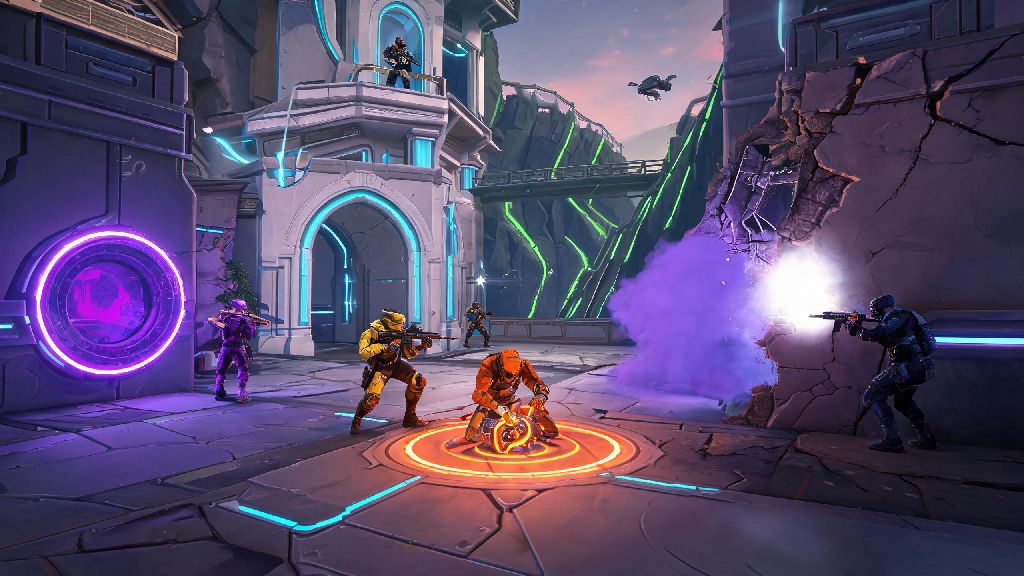
If you’ve queued up for a Valorant match in 2026 and noticed you’re not seeing old favorites like Bind or Fracture as often as you used to, you’re not alone. Riot Games tweaks the map pool every few months to keep the meta fresh, balance out agent pick rates, and cut down on repetitive match experiences for casual and pro players alike. If you’re wondering what maps are in rotation Valorant is running right now, we’ve broken down every active pool across all game modes, plus key tips to adjust your play for each map this year.
What Maps Are in Rotation Valorant 2026: Competitive & Unrated Pool
The core ranked and unrated map pool stays consistent for 3 months per act, and 2026 Act 1’s pool features 7 maps that cater to a mix of aggressive, defensive, and utility-heavy playstyles. Riot removed Fracture and Haven from the pool this act after pro player feedback pointed out that both maps had unbalanced spike site layouts that favored defenders too heavily in high Elo play. The 2026 competitive pool has a near-perfect 50/50 attacker win rate across all maps, making it one of the most balanced ranked pools Riot has released in years. The current pool includes:
You won’t see any of these maps leave the core pool until the start of 2026 Act 2 in June, when Riot is expected to remove Icebox and Breeze to make room for the new Tokyo-themed map codenamed “Niji” that was teased in the latest developer blog. If you main agents that thrive on open maps, now’s the time to grind ranked before Breeze is taken out of rotation for the rest of the year. You can also queue for unrated matches if you want to practice specific map strategies without risking your RR.
Spike Rush & Deathmatch Map Rotations 2026
Unlike the core competitive pool that stays the same for 3 months, the casual mode map pools rotate every two weeks to give players a chance to test out retired maps and new experimental layouts before they hit ranked play. As of March 2026, the spike rush pool includes all 7 core competitive maps plus two extra retired maps: Haven and Fracture. Spike rush also runs a “fast site” modifier this month that makes spike plants take 2 seconds instead of 4, so you’ll want to prioritize fast site takes over slow utility pushes on these maps.
Deathmatch and Team Deathmatch pools are even more varied, with 12 total maps in rotation right now. This includes all core competitive maps, plus Fracture, Haven, Split, and the 2026 experimental snow map codenamed “Frost” that’s only available in casual modes for the first quarter of the year. If you want to practice your aim on old maps you don’t see in ranked anymore, deathmatch is the best place to do it without risking your rank progress.
Riot also runs limited-time game modes like Escalation and Replication every other weekend, with their own smaller map pools that usually include 4-5 of the smallest maps in Valorant’s catalog to keep matches fast and chaotic. You can check the in-game news tab 24 hours before a limited-time mode launches to see what maps will be included for that weekend’s run, so you can plan what agents to bring ahead of time.
How 2026 Map Rotations Impact the Current Meta
Map rotations don’t just change what locations you play on – they completely shift which agents are viable, what team compositions work best, and what strategies you’ll see in most of your matches. For example, with Bind back in the core pool this act, smoke agents like Omen and Brimstone have seen a 17% pick rate increase in high Elo ranked play, since their smokes are perfect for blocking off teleporter entrances and sight lines during pushes.
Lotus being the only 3-site map in the current pool also means that controller and sentinel mains are in higher demand than usual, as teams need at least two agents who can hold down multiple sites at once without overextending. If you’re a duelist main who prefers to play fast, you’ll have the most success on Sunset and Breeze, where tight corners and long sight lines give you plenty of opportunities to pick off isolated enemies before they can call for backup.
You’ll also notice that most pro teams in the 2026 VCT Masters circuit are prioritizing map-specific agent compositions instead of running one-size-fits-all lineups for every match. For example, most teams run two duelists on Breeze to take advantage of the wide open sight lines, but swap to one duelist and two sentinels on Ascent to hold the site’s heavy doors and retake more easily. If you want to climb ranked faster this act, it’s worth learning at least one agent that performs well on each map in the current pool instead of sticking to a one-trick that only works on one or two maps.
Tips to Adapt to the 2026 Valorant Map Rotation
It can be frustrating to log on after a patch and find that your favorite map is gone, or that the new pool is full of maps you don’t know very well. But there are a few easy steps you can take to get comfortable with the current rotation fast and start winning more matches right away. First, spend 10 minutes each session running casual unrated matches on the maps you’re least familiar with before you jump into ranked, so you can learn the callouts and common angles without losing RR if you make mistakes.
Another easy tip is to save pro VODs from the 2026 VCT circuit for each map in the current pool, and watch how top teams set up their defenses and execute their attacks. You don’t have to copy every strategy they use, but you’ll pick up small tricks like where to place utility, what angles to hold, and when to rotate that will give you a huge edge over other players in your Elo bracket who are just winging it.
You should also check the map before you lock in your agent every match, instead of locking in your main before you see what you’re playing on. Even if you’re a great Jett main, you’ll be far more useful to your team playing a Sage or Killjoy on Lotus, where holding sites is far more important than making fast aggressive pushes. If you really don’t want to play a certain map, you can use your one weekly map dodge that Riot added in the 8.0 patch to skip it without getting a queue penalty, just make sure you save it for maps you truly struggle on instead of wasting it on a map you just don’t like as much.
At the end of the day, Riot’s regular map rotation changes are designed to keep Valorant fun and fresh for every type of player, whether you’re a casual who queues up for a few matches a week or a pro grinding for a VCT spot. Now that you know what maps are in rotation Valorant is running in 2026, you can adjust your agent pool, practice your weakest maps, and climb the ranked ladder faster than ever this act. Don’t forget to keep an eye on the official Valorant patch notes in June for the 2026 Act 2 rotation changes, so you can prepare for the new map and pool shifts before they hit live servers.