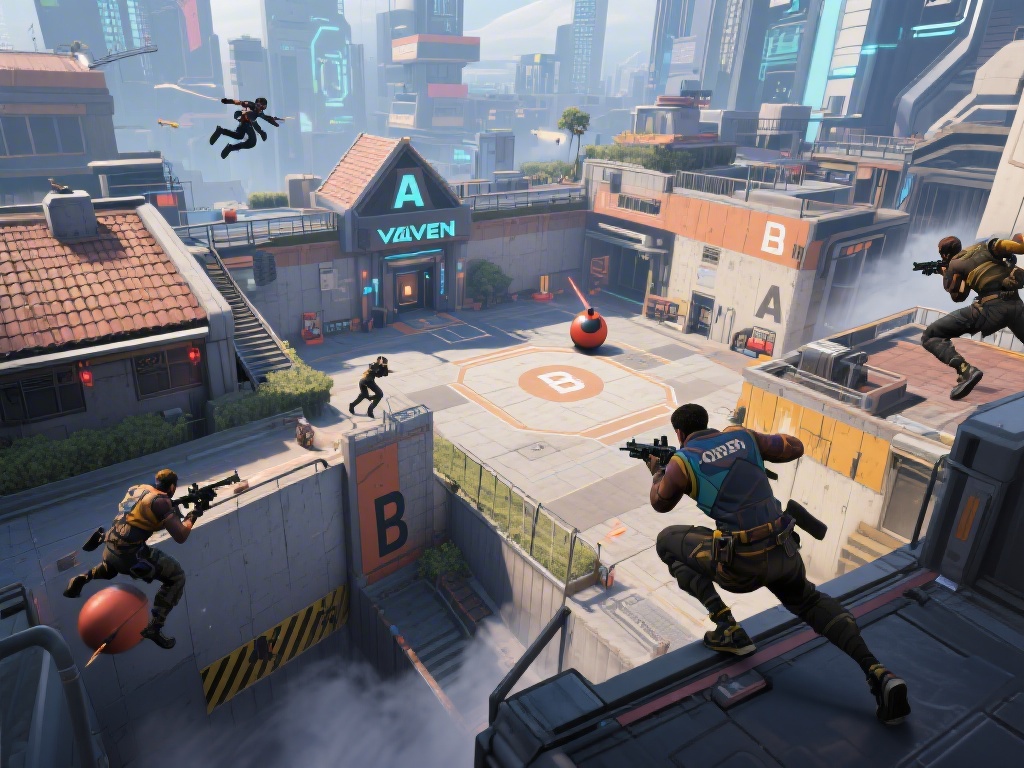
If you've spent any time queuing for unrated or competitive Valorant matches in the last few seasons, you've almost definitely spawned on Abyss at least once. The sunken, neon-lit map with its tight corners and vertical play opportunities quickly became a fan favorite, even if it took a few balance patches to get right. A lot of new and returning players still ask when did abyss come out valorant, and what made its launch so memorable for the game's community. It's not just a random addition to the map pool, after all — it marked a big shift in how Riot approaches new content launches for the game.
When Did Abyss Come Out in Valorant, and What Patch Launched It?
Abyss officially launched as part of Valorant Episode 8 Act 1, which rolled out globally on January 10, 2024. It dropped alongside new duelist agent Iso, as part of Riot's larger "Omega Conflict" lore arc that focuses on the ongoing war between Alpha and Omega Earth. Unlike previous map launches that dropped straight into competitive queues, Riot tested a new release structure for Abyss that ended up being extremely popular with players. Abyss was the first new Valorant map to launch with a dedicated 2-week casual-only play period before being added to competitive queues.
The dev team said they made this choice after years of feedback from players who hated losing rank because they didn't have time to learn new map callouts and layout right after launch. During that 2-week window, Riot also collected data on win rates and player feedback to make small balance tweaks before it hit ranked play. That meant when it finally joined the competitive pool, it was far more polished than most new maps were at launch in previous years.
Core Design Choices That Made Abyss Stand Out From Older Maps
Abyss is a two-site map set in a flooded, abandoned research facility on Omega Earth, and every part of its layout was designed to encourage fast, dynamic play. It has far more vertical play opportunities than older maps like Bind or Split, with multiple raised platforms, ledges, and even a functional zip line that lets players move between mid and A site without using abilities. There are also shallow pools of water scattered across the map that slow movement speed by 15% for any player who steps in them, adding an extra layer of strategy to rotation choices.
What makes Abyss truly unique compared to other Valorant maps?
- It is the only Valorant map set entirely on Omega Earth, with no direct Alpha Earth counterpart location
- It includes environmental hazards (shallow standing water) that reduce movement speed by 15% for any player standing in them
- Its zip line mechanic is the first in the game that lets players switch between elevation levels without using agent abilities
- All site entry points have at least two different angles of attack, eliminating one-way hold metas that dominated older maps
I remember being so frustrated my first 10 games on Abyss, because I kept stepping in the water and getting picked off before I could get to cover. Once I learned the routes that avoid the water entirely, my win rate on the map jumped by almost 20%. The map's signature "Abyss Pit" area under mid is one of the most contested spots in all of Valorant, as it gives teams full vision of enemy rotations if they hold it. A lot of new players ignore this area entirely, but holding it for even 30 seconds at the start of a round can give your team a massive advantage. If you're new to playing Abyss, learning the 10+ common callouts for mid alone will cut your learning curve in half.
How Abyss Changed Valorant's Competitive Meta Post-Launch
Before Abyss launched, the competitive meta was heavily focused on duelists like Jett and Reyna who could take fast, isolated fights and win site entries on their own. But Abyss's tight corners and multiple flanking routes made initiators like Sova and Fade way more valuable, as their recon abilities could catch flanking players before they got the drop on your team. Pro teams started running double initiator comps on Abyss as early as the first VCT stage after its release, a strategy that has since spread to almost every other map in the competitive pool.
But that doesn't mean duelists are useless on Abyss, of course. A good Jett player who can use updraft to get on top of the site boxes can still carry a round if their team gives them support. Abyss is also the only map in the current pool where Omen is picked more often than Brimstone as a controller, thanks to his ability to teleport across the map's large vertical gaps. I've played in a handful of local amateur Valorant tournaments over the last year, and I've seen more upset wins on Abyss than any other map, simply because teams that spend time practicing off-meta strategies on it can catch opponents off guard. The map also led to a rise in the popularity of short-range weapons like the Spectre and Judge, as most fights on the map happen at under 20 meters.
Common Abyss Launch Myths Debunked
There's a lot of misinformation floating around about Abyss's launch, especially from players who only started playing Valorant after it was added to the map pool. First, a lot of people think Abyss was originally supposed to launch with Episode 7 Act 3, but was delayed because of bug issues with the zip line mechanic. That's not true: Riot confirmed in a 2024 developer blog that Abyss was always planned for Episode 8 Act 1, as part of their larger story arc focusing on Omega Earth's conflict with Alpha Earth. The devs did delay the map's competitive launch by 2 weeks, but that was the planned casual play window, not an unexpected delay.
Another myth is that Abyss was removed from the map pool for a week after launch because of a game-breaking bug that let players clip through walls. That bug actually only affected custom games, and Riot fixed it in a hotfix 24 hours after it was discovered, so the map never left casual or competitive queues. One persistent myth that is actually true is that the map's hidden easter egg of a sunken research lab ties directly to the backstory of agent Harbor, who was first teased in lore posts two years before Abyss launched. If you take the time to explore the map in custom mode, you can find 8 different data logs that tell the full story of the lab's collapse, which led to the area being flooded and abandoned by Omega Earth's authorities. It's a nice touch for players who care about Valorant's lore, and it's one of the reasons the map has such a dedicated fan base even a year after its release.
Whether you're a casual player who just likes learning about Valorant's content history or a competitive player looking to understand how the meta evolved to its current state, knowing when did abyss come out valorant and the context around its launch can help you appreciate the map even more. It's one of Riot's most well-designed maps to date, and it's clear the dev team put a lot of thought into balancing competitive play, lore, and fun when they created it. If you haven't spent much time playing on Abyss, consider queuing up a few unrated matches this week to learn its ins and outs — you might just find your new favorite map to grind.