If you've spent any time scrolling Valorant agent tier lists, watching pro play, or digging into the game's expanding lore universe, you've probably asked where is Veto from Valorant at least once. The sharp, tech-focused initiator made a big splash when he joined the Protocol, bringing a kit built around disrupting enemy utility and locking down site takes with unmatched precision. But unlike some agents whose backstories are front and center in launch trailers, Veto's origins have been scattered across in-game voice lines, player cards, and Riot's official lore drops for months. This guide pulls all those confirmed details together so you don't have to piece together random clips and Reddit theories yourself.
Where is Veto from Valorant? Confirmed Canon Origin Details
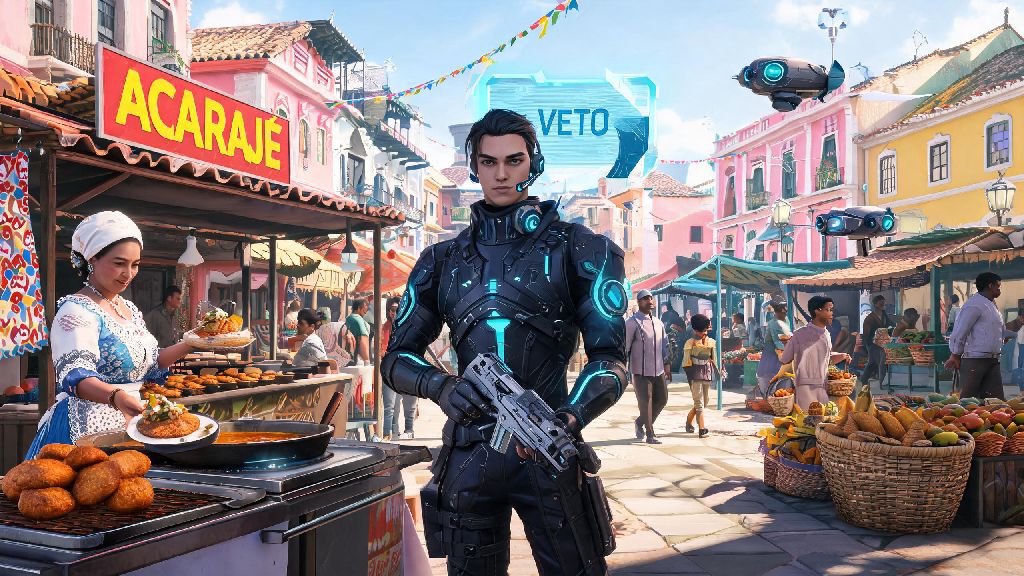
I first picked up on his regional ties when I heard his pre-round voice line referencing acarajé, an iconic street food from northeastern Brazil, and had to dig deeper to confirm the exact location. A lot of fans initially guessed he was from Rio de Janeiro or São Paulo, the two most commonly referenced Brazilian cities in global media, but that's not the case. Veto's canonical hometown is Salvador, Bahia, in northeastern Brazil.
Salvador is known for its vibrant Afro-Brazilian culture, and you can see those influences in everything from Veto's character design to his voice lines. His launch act player card features a traditional capoeira roda in the background, a detail that flew over a lot of international fans' heads but was immediately recognizable to Brazilian players. Riot also worked with local musicians to create his agent select theme, which blends traditional Bahian percussion with modern electronic beats, a perfect reflection of his mix of traditional community roots and futuristic tech skills.
Before joining the Valorant Protocol, Veto worked as a renewable energy engineer and community organizer, building low-cost solar grids for underserved neighborhoods in Bahia and leading efforts to push back against Kingdom Corp's illegal logging and resource extraction in the region's coastal rainforests. He joined the Protocol after Kingdom mercenaries destroyed a solar farm he spent two years building, killing three of his close friends in the attack.
How Veto's Upbringing Shapes His In-Game Kit
If you've ever wondered why Veto's kit feels so different from other initiators, the answer ties directly back to where is Veto from Valorant and the work he did before joining the Protocol. None of his abilities were designed for military combat originally; they're all modified versions of tools he built to defend his community from corporate interference. His ability to disable enemy utility for 3 seconds is directly inspired by the EMP tools he used to shut down illegal logging equipment.
Every part of his kit has a direct lore callback, even the small details most players never notice:
A lot of players don't realize how intentional every part of his kit is, it's not just a random set of initiator tools Riot put together to fill a meta gap. The lore team worked closely with Brazilian cultural consultants to make sure every reference felt authentic, not just a lazy stereotype. You'll notice he rarely uses corporate-made weapon skins in official promotional art, a small detail that aligns with his anti-corporate backstory.
Common Misconceptions About Veto's Origin
A lot of the wrong assumptions about where is Veto from Valorant come from early, unsubstantiated leaks that circulated on TikTok and Twitter before his official launch. The most common myth is that he's from Portugal, a mistake that came from a 10-second voice line leak that was taken out of context and misattributed. Riot addressed this directly within 48 hours of the leak going viral, confirming he is Brazilian with roots in Bahia.
Another common myth is that he's a former special forces soldier. That rumor started because of his tactical skill and the tactical vest he wears in his base character design, but it's completely untrue. Veto has no formal combat training, all of his tactical skills come from years of defending his community from corporate mercenaries. He learned to shoot, build defensive tools, and coordinate team movements on the ground, not in a military academy.
I've seen so many posts from Brazilian players saying how refreshing it is to have a character from the northeast of the country represented in a global game, instead of the same generic Rio or São Paulo tropes that show up in most Western media. Even small details like his casual use of regional slang have been celebrated as a big win for authentic representation.
What Veto's Origin Means for Future Valorant Lore
Veto's backstory ties directly into one of the biggest ongoing plot threads in the Valorant universe: the growing conflict between the Valorant Protocol and Kingdom Corp, the multinational corporation responsible for most of the environmental destruction and social harm in both Alpha and Omega Earth timelines. His personal grudge against Kingdom makes him a key player in future story beats, especially as the Protocol starts to take a more aggressive stance against the company.
Data miners have found voice lines hinting at a future cinematic where Veto teams up with Neon to take down a Kingdom facility in the Philippines, since both agents have personal grudges against the company for harming their home communities. There are also hints that he has extended family living in the Omega Earth version of Bahia, which could be a plot point for future cross-dimensional storylines.
For players who only care about ranked play and meta builds, these lore details might not seem important, but they add a lot of depth to the game for the millions of fans who follow Valorant's story as closely as they follow pro competitive play. It also makes playing Veto feel more meaningful, because you're not just picking a random agent with a good kit - you're picking a character with a clear motivation and real ties to a specific culture and community.
At the end of the day, whether you're a lore nerd trying to piece together the full Valorant Protocol story or a ranked player just trying to learn how to play your new main, understanding where is Veto from Valorant adds a lot of context to every part of the character. You don't have to memorize every detail of his backstory to climb ranks with him, but it's hard to deny that the care Riot put into his origin makes playing him feel a lot more meaningful. Next time you lock him in for a ranked game, take a second to listen to his voice lines - you might catch a new reference to his Bahia hometown that you missed before.