If you’re a long-time Valorant fan digging back into the game’s history, or a newer player curious about older content that shaped the title you love today, you’ve probably asked when was episode 2 act 1 Valorant launched at least once. This act marked a major turning point for Riot’s tactical shooter, bringing in fan-favorite content that still influences casual and competitive play years later. I still remember staying up until 2AM waiting for the servers to go live that day, just to test out Yoru’s kit before my ranked placement matches. We’re breaking down its exact release window, all the exclusive drops it included, meta shifts, and little-known details you might have missed if you only started playing recently.
When Was Episode 2 Act 1 Valorant Released? Exact Timeline
Episode 2 Act 1 officially went live across all regions on January 12, 2021, following a short maintenance break that rolled out from the earliest Asia-Pacific servers through to North and South America throughout the day. It replaced Episode 1 Act 3, which had run for just over two months prior, and kicked off Riot’s second full year of post-launch Valorant content support. Unlike later acts that often have staggered content drops across the act’s runtime, almost all of Episode 2 Act 1’s core content was available on launch day, with only minor balance patches and bug fixes dropping mid-cycle.
Riot chose this launch window to align with the end of the 2020 competitive season, giving players a fresh start to climb ranks with a new meta and updated ranked rules. If you played Valorant back then, you probably remember the server queues being longer than usual on launch day, as millions of players logged on to test the new content immediately. Some players reported waiting over an hour to get into their first match, a rare issue for Valorant even during major content drops.
Key Content Drops Exclusive to Episode 2 Act 1
This act didn’t just bring a new battle pass – it added some of the most iconic content Valorant has ever released, much of which is still highly sought after by players who missed the launch window. The core content lineup included:
Most of this content was either permanently added to the game or rotated in and out of pools later, but the battle pass items remain exclusive to players who completed them during the act’s two-month runtime. That means if you see someone running a Spline operator in your lobby today, they’ve been playing Valorant for at least three years, and probably logged a ton of hours during this specific act. I still have the Spline operator in my skin collection, and it’s still my go-to skin for ranked matches years later.
How Episode 2 Act 1 Shifted the Competitive Valorant Meta
Before Episode 2 Act 1 launched, the competitive meta was dominated by Jett and Sage duos, with almost every pro team running the same agent composition for nearly every map. The addition of Yoru and Icebox, plus the new Ascendant rank, completely flipped that meta on its head almost overnight. Yoru’s original kit was so strong that he had a 58% pick rate in ranked lobbies for the first two weeks of the act, until Riot rolled out a hotfix that nerfed his invisibility duration and increased the sound cue for his teleport ability. I lost three placement matches in a row to players spamming Yoru teleports on Icebox that first week, so I can confirm firsthand how overpowered his original kit was.
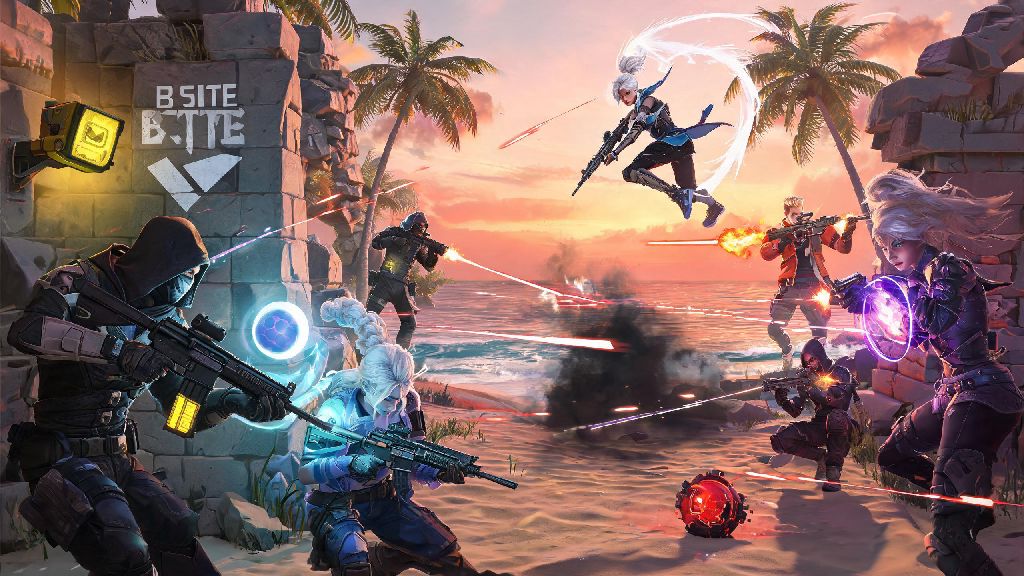
Icebox also forced teams to drop Sage from their default compositions, as her wall ability was far less useful on a map with so many vertical angles and open sightlines. Pro teams started experimenting with double duelist compositions for the first time during this act, a strategy that still dominates competitive play today. If you watch old VCT 2021 match footage, you’ll see most teams running both Jett and Yoru on Icebox, using Yoru’s teleports to take unexpected angles and catch defenders off guard. The new Ascendant rank also made ranked climbing far more fair for mid-tier players, as it separated casual Diamond players from semi-pro players who were previously stuck in the same lobbies. Many players who finally hit Immortal for the first time after the rank was added credit this change for making ranked feel less frustrating to grind.
Fun Little-Known Facts About Episode 2 Act 1
Even if you played Valorant during Episode 2 Act 1, there are a few small details you might have missed amid all the new content drops and meta changes. For example, Riot accidentally left a bug in the game for the first three days of launch that let Yoru teleport through closed spike site doors on Icebox, leading to thousands of viral clip shares on Twitter and TikTok. The dev team even joked about the bug on their official social media accounts, saying they considered keeping it in because it fit Yoru’s trickster personality, before ultimately patching it to avoid breaking competitive play.
The Icebox map was originally supposed to launch with a third hidden spike site, but Riot scrapped the idea late in development because it made match times too long and unbalanced for ranked play. Players found leftover assets for the third site in the game’s files for months after launch, leading to widespread rumors that it would be added in a later patch, though it never was. Another little-known fact is that the Episode 2 Act 1 battle pass was the first one to include a free gun skin for players who didn’t pay for the premium track: a free Spectre skin that unlocked at tier 20 of the free pass. Before that, free track rewards only included player cards, sprays, and gun buddies. Many long-time players still use that free Spectre skin as a badge of honor to show they were around during the early days of the game.
Whether you’re looking to fact-check old Valorant trivia, hunt for rare cosmetics that launched during the chapter, or just learn more about the game’s history, knowing when was episode 2 act 1 Valorant launched helps put a lot of the game’s current meta and content into context. It was one of the most transformative acts Riot has ever released, setting the tone for all the content, balance changes, and competitive updates that came after it. If you ever get the chance to play with someone who has the Spline operator or the original free Episode 2 Act 1 Spectre skin, ask them about their launch day memories – chances are they’ve got a funny story about long server queues, broken Yoru teleports, or their first time getting lost on Icebox.