If you’ve scrolled past Twitch streams of players yelling about spike plants or seen friends posting their ranked rank ups, you’ve probably wondered what type of game is Valorant. It’s easy to lump it in with other popular shooters at first glance, but Riot Games’ flagship FPS has a unique mix of mechanics that sets it apart from every other title in the genre. I’ve played over 300 hours of Valorant across casual and ranked queues, and I’m breaking down exactly what makes it tick, who it’s for, and what you can expect if you download it for the first time.
What Type of Game is Valorant at Its Core?
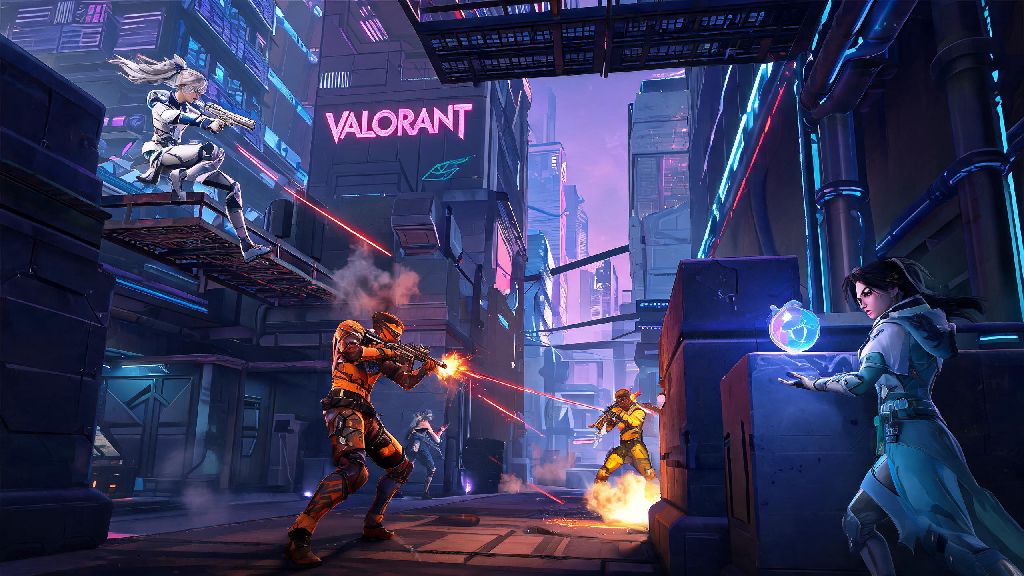
At its base, Valorant is a hybrid tactical hero shooter that combines the precise, skill-based gunplay of classic tactical shooters with the creative ability sets of hero-based multiplayer games. The core match loop is simple: two teams of five players face off, with the attacking team working to plant a bomb called the Spike at one of multiple sites on the map, and the defending team working to either stop the plant or defuse the Spike after it’s placed. Rounds last 100 seconds, and you don’t respawn if you’re eliminated mid-round, so every choice you make carries real weight. The core pillars that define the genre blend are:
- Tactical 5v5 round-based structure: Teams switch sides after 12 rounds, and the first team to hit 13 round wins takes the match, with overtime rules if teams are tied at 12-12.
- Hero-based ability system: Each playable agent has 3 unique signature abilities and 1 game-changing ultimate ability that charges over rounds based on kills, orb pickups, and round completions.
- Skill-based gunplay: Recoil patterns, spray control, and economic management for buying weapons, armor, and abilities each round are just as important as smart ability use.
- Built-in competitive progression: A transparent ranked mode with clear skill tiers from Iron to Radiant lets you track your improvement and compete against players at your skill level.
That’s part of what makes Valorant feel so different from other shooters, even if you have experience with the tactical genre. Unlike fast-paced arena shooters where you respawn every 10 seconds, Valorant rewards patience, team communication, and pre-planning far more than raw reaction speed alone. You can have the fastest aim in your lobby, but if you don’t coordinate with your team to use abilities to clear angles or block enemy sightlines, you’ll still lose more rounds than you win.
Key Game Modes You Can Play in Valorant
You don’t have to jump straight into competitive ranked matches to enjoy Valorant, either. Riot has added a range of game modes over the years to fit every playstyle and time commitment, so you can pick whatever fits your mood when you log on. Unrated mode follows the exact same rules as competitive play, but your wins and losses don’t impact your rank, making it perfect for testing new agents or practicing map callouts without pressure.
Spike Rush is a shorter, more casual alternative that lasts around 15 minutes per match, with random weapon assignments every round and pre-charged abilities so you don’t have to worry about economic management. Deathmatch is a 12-player free-for-all mode with no abilities, designed purely for practicing recoil control and aim. Swift Play is a newer addition that cuts matches to 9 rounds total, making it a great middle ground if you don’t have 40 minutes for a full unrated or competitive match. If you’re brand new to the game, start with Spike Rush or Deathmatch before jumping into Unrated, so you don’t feel overwhelmed by the economic system right away. I made the mistake of jumping straight into competitive when I first started, and I spent my first 10 matches just confused about when to buy armor versus save my credits for the next round. That means you don’t have to make the same mistake, take your time learning the basics first. If you’ve only ever played fast-paced arena shooters, the slower pace of Valorant can take some getting used to, but the casual modes make that learning curve far less frustrating.
Who Is Valorant Best Suited For?
Valorant isn’t for every type of gamer, and that’s intentional. If you love tactical shooters like CS2 but want more variety in playstyles beyond just gun skill, Valorant will feel like a perfect fit. If you enjoyed hero games like Overwatch but prefer more grounded, less chaotic gameplay where individual choices carry more weight, it’s also a great middle ground between the two genres.
You don’t need to have pro-level aim to enjoy Valorant, because support agents like Sage or Omen can carry games with smart ability use even if you only get a few kills per match. I main Sage, and I rarely top the kill leaderboard, but I regularly get match MVP because I heal my team, block off enemy pushes with my wall, and revive key players when they take early fights. Players who love problem-solving and team coordination will get the most out of the game, because every round is like a small puzzle you have to solve with your team. The biggest draw of Valorant for most players is the variety of playstyles it supports, so you can pick an agent that fits whether you prefer to play aggressively, support your team from the back, or lurk around the map to catch enemies off guard. So if you hate round-based games where you have to wait for the next round to respawn, you’ll probably get frustrated with Valorant pretty quickly. If you prefer casual, low-stakes games where you can zone out and play without communicating, it might also not be the best pick, because even casual unrated matches are way more fun when you talk to your team.
How Valorant’s Competitive Scene Stands Out From Other Shooters
One of the biggest reasons Valorant has maintained such a huge player base is its robust competitive ecosystem, both for casual ranked players and professional esports athletes. Riot’s official Valorant Champions Tour (VCT) runs year-round, with regional and international tournaments that draw millions of viewers every year, and the prize pools have grown steadily every year since the game launched. Valorant’s competitive ecosystem is built to be accessible for new players and pro players alike, so you can start as a casual player and work your way up to semi-pro or pro tournaments if you put in the time.
The in-game ranked system is also designed to be as fair as possible, with strict party rank restrictions that prevent you from queuing with friends three or more ranks above or below you, and anti-smurf measures that make it harder for high-rank players to make new accounts to bully low-level players. Unlike some other shooters where meta changes break the game every few months, Riot balances patches carefully to keep the meta fresh without making existing agents or weapons useless. You can watch pro VCT matches to learn new strategies and agent tricks that you can apply to your own ranked games, which is one of the fastest ways to improve if you’re looking to climb the ranked ladder. I picked up my favorite Omen smoke lineup from watching a VCT match last year, and I still use it every time I play on Bind. The accessibility of Valorant is one of the reasons it’s grown so fast since its launch, with over 14 million monthly active players as of the latest data.
At the end of the day, what type of game is Valorant depends a lot on how you choose to play it. It can be a casual game you play with friends for an hour after work, a competitive grind you put hours into to climb to Immortal rank, or even a creative space where you mess around in custom game modes with your friends. It has a steep learning curve at first, but once you get the hang of the core mechanics and find an agent that fits your playstyle, it’s one of the most rewarding shooters on the market right now. If you’re still on the fence, download it for free and give Spike Rush a few tries – you might be surprised how much you enjoy it.